Automation Solutions

Standardize the decisions that sit above the equipment: controls structure (tags, alarms, recipes), the data model, tooling interfaces, safety architecture and documentation. Lock controls, data and safety before the first cell ships, and tooling interfaces during design. Waiting until cell three means paying to rework every cell already running.
Your first custom automation cell almost always works. It hits cycle time, the controls engineer knows every signal, operators learn how to recover from a fault, and maintenance figures out the quirks. Then you order the second cell.
That's where it gets expensive. We've been building automation systems for over 40 years, and the pattern doesn't change much: a pilot cell runs well, and copying it takes almost as much engineering as building it the first time. The robot works. The PLC logic works. What breaks is everything around them, the decisions nobody wrote down because nobody planned to repeat them.
Because it was built to solve one problem. The layout fits the floor space you had, the tooling fits one part family, and the program holds every adjustment made during commissioning. That's fine for one cell.
Copy it a few times, though, and small differences pile up. A different sensor model here, a modified pneumatic circuit there, a new robot program, its own safety logic, slightly different grippers. By cell four your maintenance team isn't supporting one platform. They're supporting four versions of what was supposed to be the same design (and learning each one the hard way, usually at 2 a.m.).
The equipment is rarely the problem. The missing piece is a set of repeatable decisions: tag naming, data formats, safety patterns, tooling interfaces and documentation templates. Leave each project team to solve those on its own and you build up integration debt that grows with every cell.
Controls is where inconsistency gets expensive fastest. A PLC program can run one cell perfectly and still be nearly impossible to copy. The things that matter most are tag naming, alarm structure, recipe management, how the robot reports its state, and how the cell talks to MES or SCADA.
Set those before the first cell ships and every cell after it inherits the same structure.
Alarms are the easy example. "Robot fault" is fine during commissioning, when the programmer is standing next to the machine. It's useless to a night-shift technician six months later. Structured alarm hierarchies, standard fault messages and consistent robot-state signals are what separate a cell your own people can support from one that needs the integrator every time it stops.
Every cell produces data: cycle counts, measurements, fault records, traceability logs. If cell one stores it one way and cell two stores it slightly differently, nobody notices at the cell. You notice at the plant level, when you try to compare lines, feed a quality system or answer a customer audit.
"PartID" in one cell, "PartNo" in the next, "SerialNumber" in the third. Different timestamp formats. Genealogy records built three different ways. Each one needs its own translation layer, which is one more thing to maintain and break.
Define the data and traceability model up front: how you name parts, record measurements, structure genealogy and exchange data with MES and ERP. That definition becomes the spec every new cell is built to. It costs a fraction of what it takes to clean up mismatched data across a running plant.
Tooling for the first cell sets the direction for every cell after it. A gripper or fixture built tightly around one part works great until the product mix changes. When several cells depend on narrow tooling, even a small product change means rework at every station.
The answer isn't universal tooling. It tends to be heavier, slower and more complicated than the job needs. The answer is standard interfaces, component families and changeover methods, so variation exists because the process needs it, not because each project solved the same problem differently.
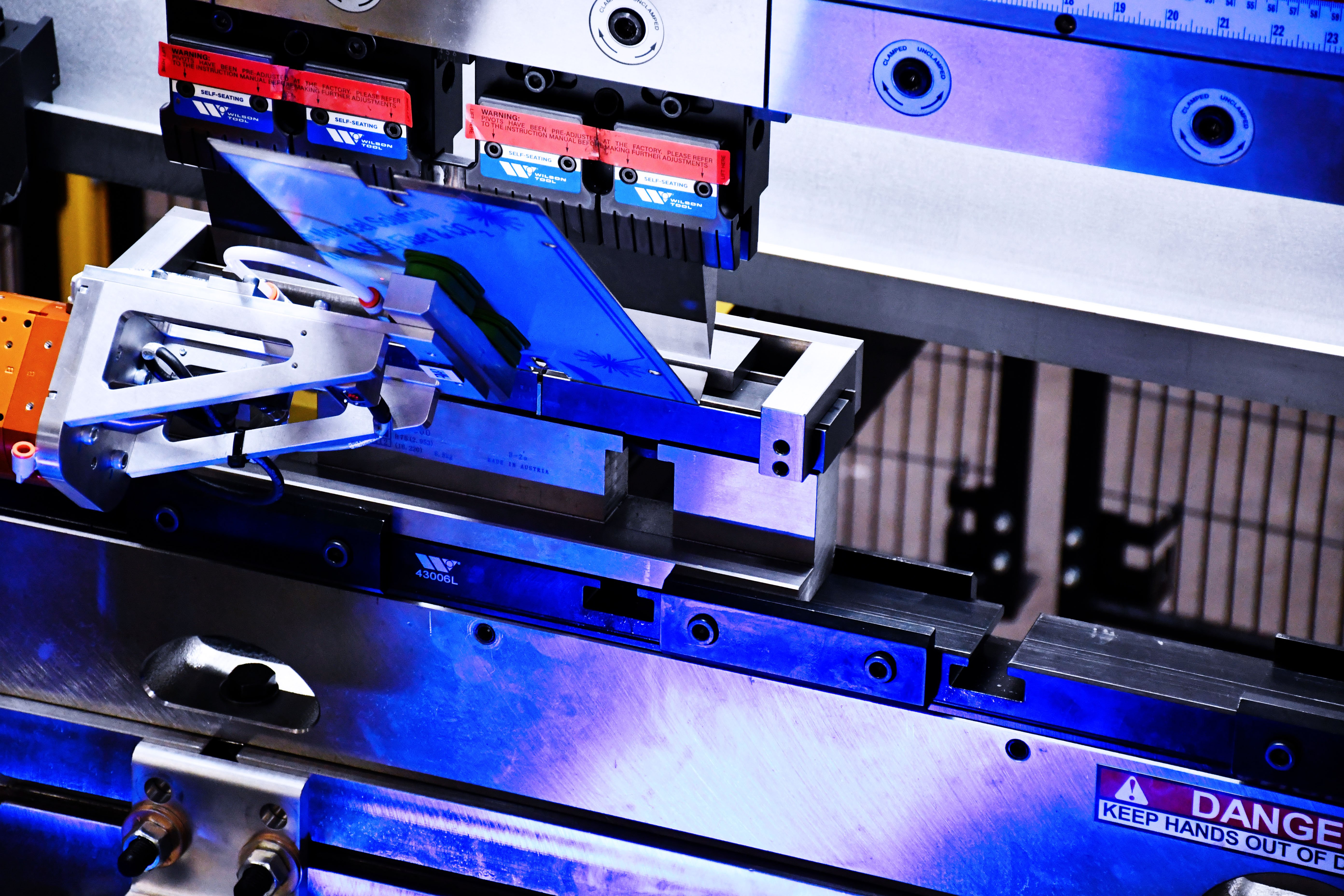
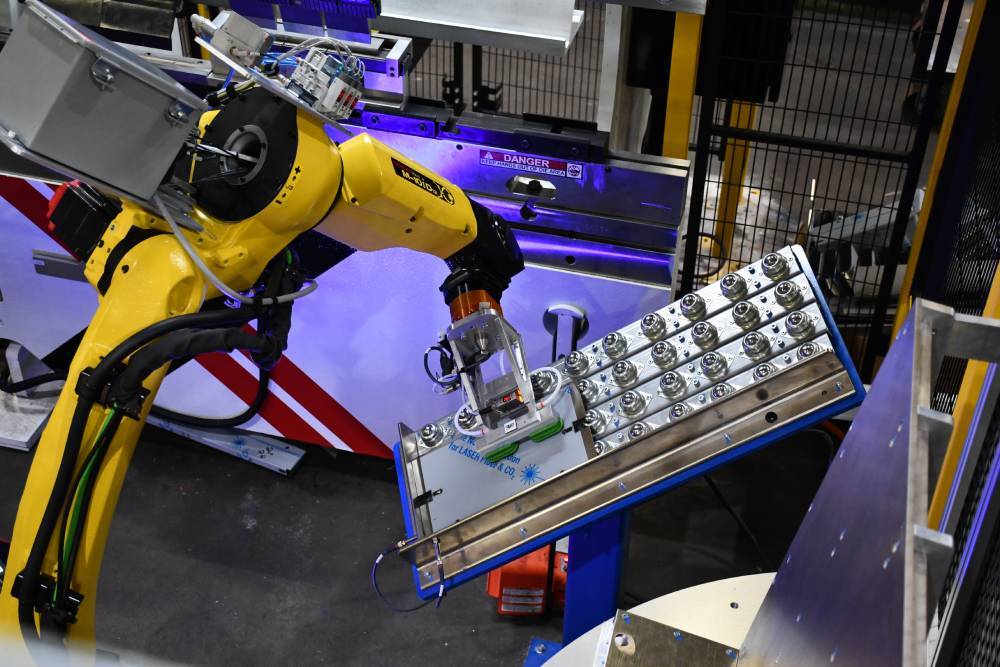
Our press brake and spot weld cell is a good example. The manufacturer needed more capacity for a part line already running in an automated cell, so we built the new cell to match the existing design. Both cells share common spare parts, operators already knew how to run it, and the plant gained a backup for its main line. An automatic tool changer handles 13 part sizes across four product lines. That's what standardizing early buys you: the second cell becomes a capacity decision, not a new engineering project.
Safety is one of the most overlooked places to standardize, and one of the most expensive to fix later. Guarding, light curtains, interlocks and e-stop logic all carry requirements. Design each cell's safety system from scratch and you end up with separate risk assessments, separate validation and separate documentation for every cell.
A common safety architecture (circuit topology, interlock logic, guard mounting and e-stop behavior) lets each new cell validate against a baseline instead of starting at zero. If you work in a regulated environment, where validation time hits your production schedule directly, that repeatable baseline shortens every cell after the first.
One cell can get by on informal documentation because one or two people know it inside and out. That stops working the day you add a second cell, a second shift, or lose one of those people to retirement.
The documents that matter aren't the commissioning binder that gets filed and forgotten. They're the ones maintenance and engineering use every week: electrical drawings, robot backup procedures, parameter lists, PM schedules, software revision history, risk assessments and troubleshooting guides. Treat them as controlled production assets from cell one, in one format, and every new cell fills in a template instead of inventing its own.
| Decision | What to standardize | Lock it by | Cost if you wait |
|---|---|---|---|
| Controls | Tag naming, alarm structure, recipes, robot-state signals, MES/SCADA interface | Before the first cell ships | Every cell needs its own programmer to support |
| Data model | Part IDs, measurement records, genealogy, timestamp format, MES/ERP exchange | Before the first cell ships | Translation layers and failed cross-line reporting |
| Tooling | Tool interfaces, mounting standards, component families, changeover method | During first-cell design | Rework at every station when the product changes |
| Safety | Circuit topology, interlocks, guard mounting, e-stop behavior | Before the first risk assessment | A separate validation package for every cell |
| Documentation | Drawings, backups, parameter lists, PM schedules, revision history | Before first-cell handoff | Longer troubleshooting and knowledge lost with people |
Start with a controls and data review of the cell you have. Document its tag structure, alarm logic, data formats, safety architecture and tooling interfaces. Then decide what carries forward and what changes.
You don't have to retrofit cell one. Define the standard cell two will follow, and move cell one toward it during normal maintenance and upgrades. The review also turns up commissioning workarounds that quietly became permanent, so you decide on them on purpose.
If you haven't built the first cell yet, you're in the best spot. Standardizing at design costs almost nothing. During commissioning, it costs engineering time. After three cells are running, it costs rework across all of them.
It means defining the controls structure, data model, tooling interfaces, safety architecture and documentation once, then building every cell to that definition. The cells can do different jobs. They just share the same structure, so your team supports one platform instead of many.
Ideally during design of the first cell, before it ships. Controls, data and safety standards are cheapest to set before commissioning. Once several cells are running, the same decisions mean rework on every one.
No. Standardizing interfaces and methods makes it easier to add part families or copy a cell to a new line. What you avoid is variation that exists only because different teams solved the same problem differently.
It's the buildup of one-off decisions across cells: different tag names, data formats, safety logic and documentation. Each difference adds support time, training time and translation work. It grows with every new cell built without a standard.
Yes. Review the existing cell's controls, data, safety and tooling, define the standard the next cell will follow, then move the first cell toward it during normal maintenance and upgrades. A full retrofit is rarely needed.
Planning your second cell, or your first? Our engineers will review what you have and help you set the standards worth carrying forward. Talk to an Integrion engineer.