Skip to content

Data & Traceability

Marking, reading, and recording that give every part a verifiable history, backed by full lifecycle support.

What is Data and Traceability in Automation?

Data and traceability means giving each part a unique identity and a recorded history as it moves through production. Automated marking, code reading, and data capture let you track where a part came from, what happened to it, and whether it passed each step.

At Integrion, we build traceability into the line rather than bolting it on. Whether you need simple date coding or full part-level genealogy tied to your quality systems, we help you capture reliable data and prove it when it matters.

Our Data & Traceability Capabilities

Part Marking

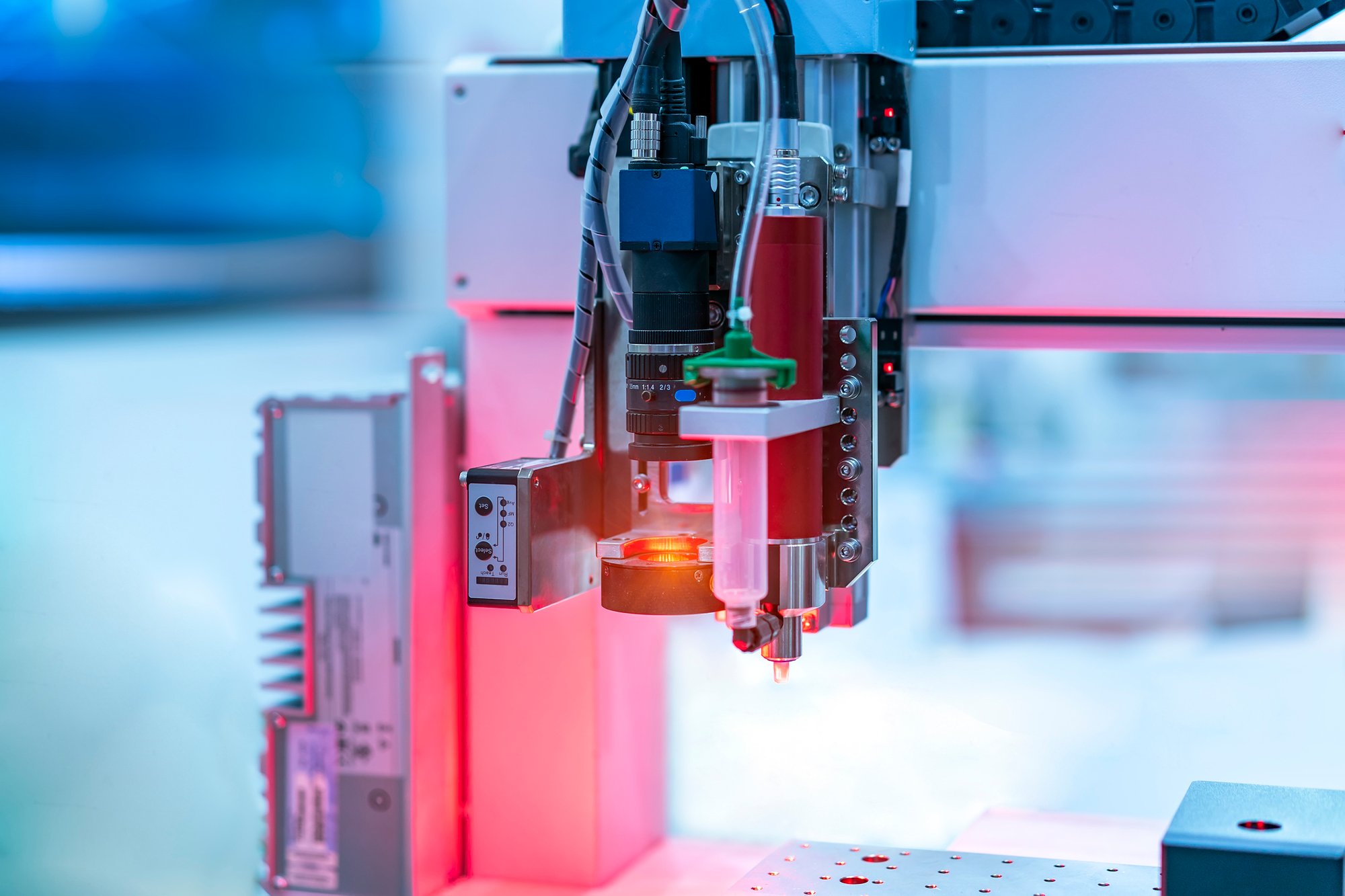
Laser, inkjet, and dot-peen marking of codes, serials, and dates.

Code Reading & Verification

Reading and grading barcodes, data matrix, and printed marks.

Part-Level Genealogy

Linking components, processes, and results to each finished unit.

Data Capture & Logging

Recording measurements, torque, and test results per part.

System & MES Integration

Connecting cell data to your quality and MES systems.

Reporting & Audit Support

Making recorded data easy to retrieve and prove.

From Simple Marking to Full Part Genealogy

The right level depends on your quality, compliance, and customer requirements. We build across the full range:

Basic marking and reading applies and verifies a code on each part.

Process data capture records results at each step for later review.

Full genealogy links every component, process, and test to the finished unit for complete traceability.

If you are not sure how much traceability you need, that is exactly the kind of conversation we like to have.
Life Sciences - 1

Why Choose Integrion for Data and Traceability?

For more than 40 years, manufacturers have trusted Integrion to design, build, and program automation in-house. That vertical integration means single-source accountability, fewer handoffs, and on-time delivery.

We do more than build systems. We help you plan an automation roadmap, manage risk throughout the project, and support your equipment long after launch with a dedicated field service team. From complexity to confidence, we stay with you across the entire life of your system.

person-with-hard-hat

40+ Years of Experience

star

450+ Robotic Integrations

tube forming tech svg

In-House Design, Build and Integration

throughput

Full Lifecycle Support

light-bulb

Partnership Driven Approach

stock-graph

Certified and Proven

Our Automation Process 

Every traceability project follows a proven path built to reduce risk and keep your timeline on track. Because we design, build, and program in-house, you get one accountable team from first conversation to long-term support. It is how we move your project from complexity to confidence.

Integrion Automation- Video Stills_1.18.1
Step 1: Consult & Assess
We learn your parts, volumes, and goals
Step 2: Concept & Design
We engineer a solution and show you the options and payback 
Step 3: Build & Integrate
We fabricate, assemble, and program your system in-house. 
Step 4: Validate & Commission
We prove out performance before it reaches your floor. 
Step 5: Support & Sustain
We keep your line running with service, spare parts, and support. 

Frequently asked questions

What is traceability in manufacturing?

Traceability means giving each part a unique identity and a recorded history as it moves through production. It lets you track where a part came from, what happened to it, and whether it passed each step.

What is the difference between marking and traceability?

Marking is applying a code, serial number, or date to a part. Traceability is the full system of marking, reading, and recording that ties that identity to the part's history and results.

What marking methods can be automated?

Common automated methods include laser marking, inkjet printing, and dot-peen. The right method depends on the material, permanence needed, and how the mark will be read.

Why is traceability important?

Traceability supports quality, recalls, warranty, and compliance. In regulated industries like life sciences and automotive, part-level records are often required, and they help you find and fix problems fast.

What drives the cost of a traceability system?

Cost depends on the marking method, read and verification requirements, how much data you capture, and how deeply it integrates with your MES and quality systems. We scope each project to your goals so you can compare options and payback before committing.

Do you provide service and support after installation?

Yes. Our dedicated field service team offers preventive maintenance, troubleshooting, retrofits, spare parts, and warranty support to protect uptime across the full life of your system.

Let's Talk Through Your Traceability Project!

A short conversation is the easiest way to figure out the right approach, with no pressure and no obligation. Tell us what you need to track and prove, and we will help you find the path from complexity to confidence.