Integrion Automation
Wauseon TubeTech forms copper and non-ferrous tube for HVAC manufacturers, replacing brazed fittings with connections formed directly into the tube and removing the joints most likely to leak.
A brazed fitting on a refrigerant line is a part, a filler material, a skilled operation, and an inspection. It is also the place the system leaks. Forming the connection into the tube takes all of that out at once, and it takes out the variation between one brazer and another.
Soft material makes that harder rather than easier, because the tooling has to hold the tube without scoring the surface the joint will seal against. That is a tooling design problem, which is the part of this we do in house.
.jpg?width=2000&height=1333&name=Plug%20placement%20(3).jpg "Plug placement (3)")
Send us the tube, the material, and the joint you are trying to make, and we will tell you whether it can be formed and what the tooling would take. No pressure and no obligation. It is how we move your project from complexity to confidence.
Refrigerant lines, coil tube and coil assemblies, manifolds and distributor tube, and the connection ends on all of them. Most of that work is copper and other non-ferrous material at the smaller end of our diameter range.
Yes. Copper and brass are routine for us. Soft material forms easily and marks easily, so the tooling has to grip firmly enough to hold the tube and gently enough to leave the sealing surface intact. That balance is a tooling design problem, and it is one we have solved many times.
Beads, flares, swages and reductions, and expansions. Reductions and expansions are especially common because they let one tube receive another directly instead of running a coupling between them.
Our standard range is 3/8 inch to 3 inches outside diameter. Most HVAC refrigerant and coil work sits in the lower half of that, which our 1200, 1000, and 1100 Series cover, with end finishing to match.
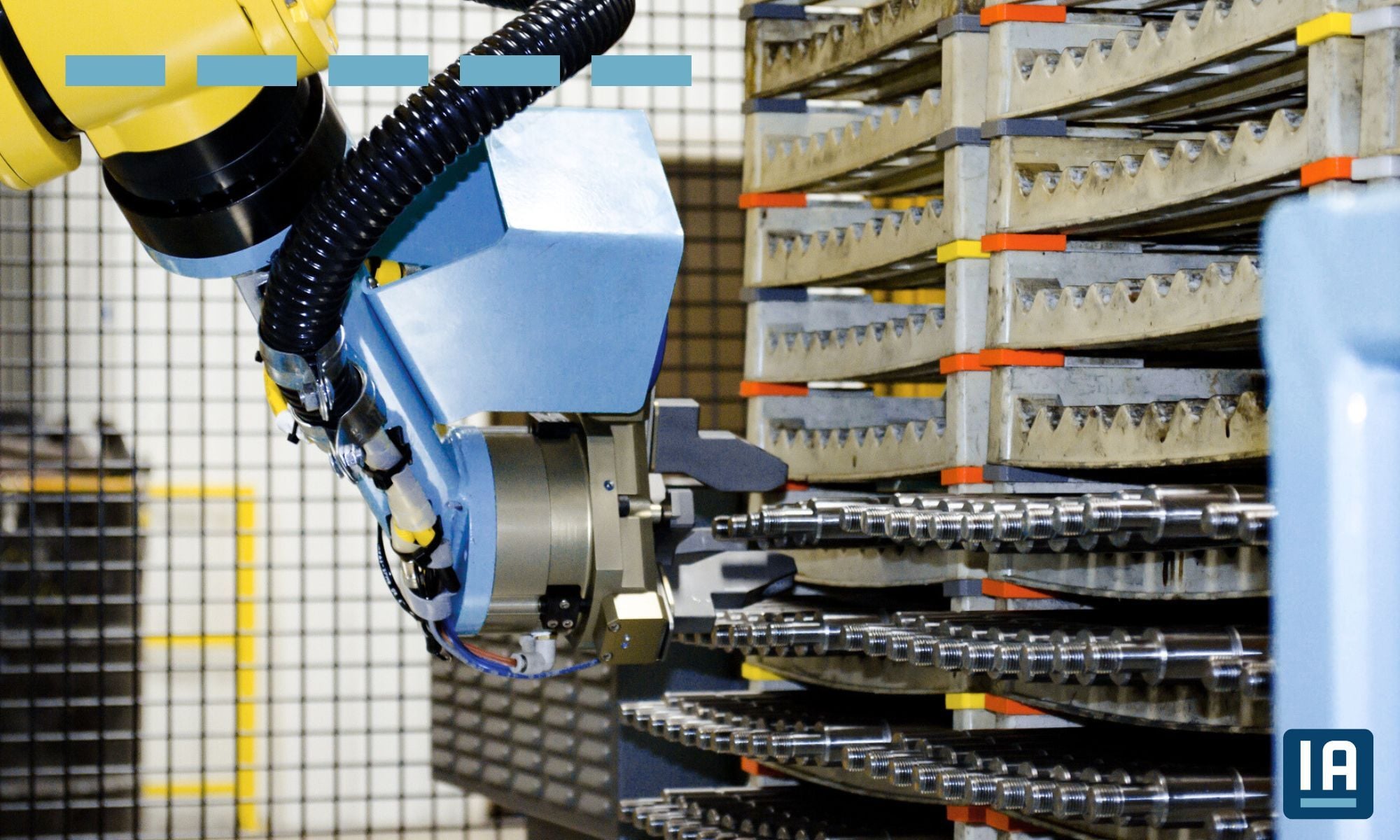
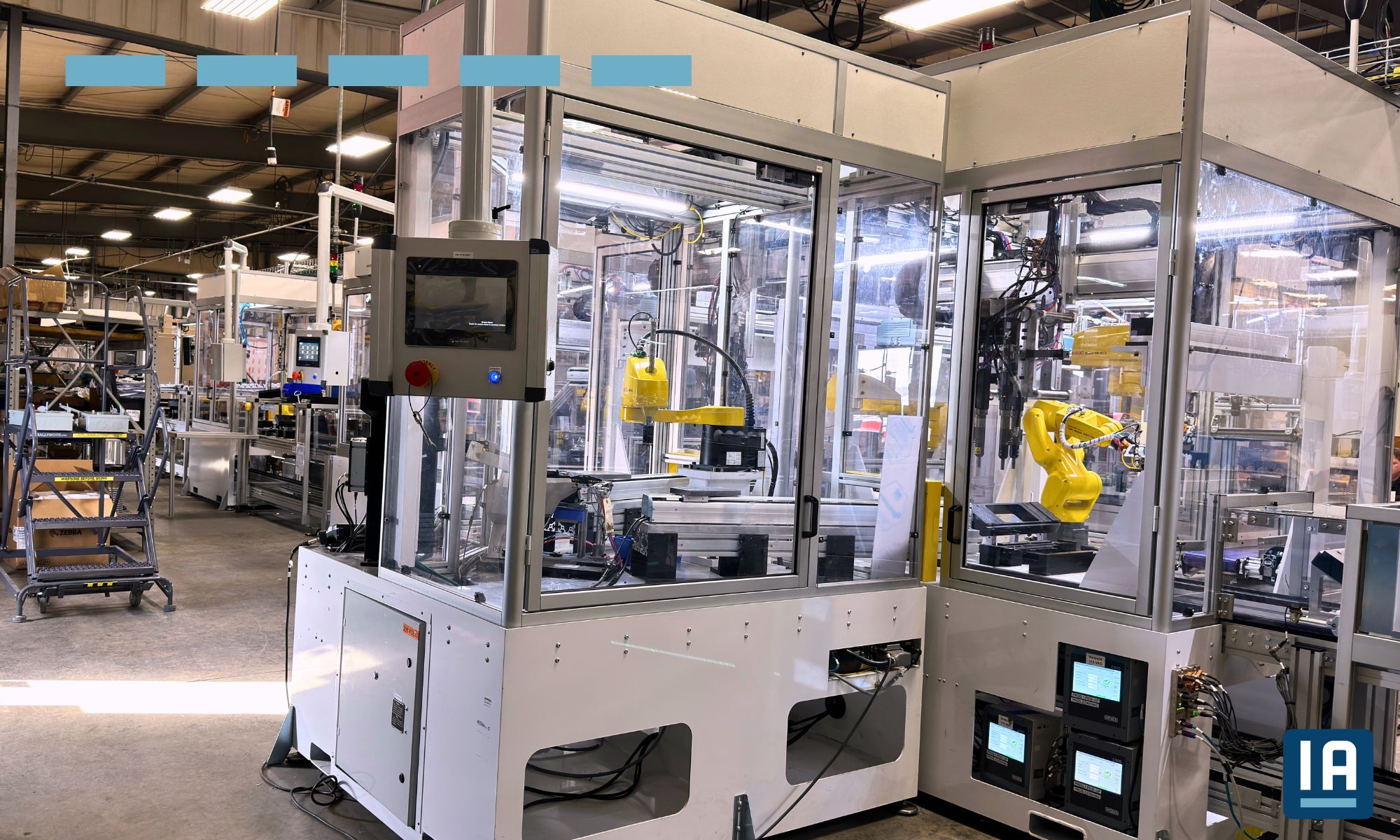
Yes. Every machine we build is robot loadable and the automation is done in house, so forming and finishing can run in one cell. On high volume coil and line work that removes a handling step and the variation that comes with it.
Yes. The distinction that matters to us is diameter, wall thickness, and volume rather than where the equipment ends up, and both sit inside our standard range.
Coating and lubricant selection is part of the tooling package, and where the tube is coated we can remove the coating mechanically before forming with a de-coat machine. A form made on a coated or contaminated surface is the most common cause of a joint that will not seal.
Documentation requirements are handled per program. Tell us what traceability your program requires and we will confirm what we can support before you commit to anything.