Integrion Automation
From OEMs to tiered suppliers, Wauseon TubeTech forms tube ends that hold tolerance across millions of parts, with the tooling developed and proven in house before it reaches your line.
Every welded fitting on a fluid line is a separate part to buy, a weld to make and inspect, and a joint that can leak once the vehicle is out of your control. Forming the connection into the tube removes all three at once.
That is the whole argument for end forming in this market, and it is why the same conversation keeps happening: a supplier brings us a welded assembly, and we tell them which features can be formed instead. Sometimes the answer is most of them.
.jpg?width=2000&height=1333&name=Plug%20placement%20(3).jpg "Plug placement (3)")
Send us the part, the material, and the volume, and we will tell you which features can be formed, which series fits, and whether the tooling is straightforward or needs development. No pressure and no obligation. It is how we move your project from complexity to confidence.
Engine and transmission oil cooler lines, brake lines, fuel lines, fuel filler tubes, air conditioning lines, and seat products. Those cover thermal management, fuel delivery, braking, and seating structures, which is most of the tube on a passenger vehicle.
SAE J2044 quick connects, SAE J1453 O-Ring Face Seal, SAE J533 flares, and SAE J1231 beads are all routine work for our tooling team, along with Jiffy-Tite and other proprietary connection forms.
Often, yes, and in this market it is usually the change with the fastest payback. Forming the connection into the tube removes a separate fitting, the weld that attached it, and a leak path that shows up as a warranty claim rather than a line reject.
Our electric servo machines cycle from 1.7 to 4.3 seconds depending on the part, and the smallest series runs from 1.5 seconds. Which end of that range applies depends on the endform, the material, and how many ram hits the form needs.
Yes, and most of our automotive work sits in the tiers. The forming problem is the same either way, though tier work more often comes with a print that is already fixed and a tolerance that is not negotiable.
Tooling is developed and proven out in house on a tryout machine matching the model that will run it, with a five-piece tryout and sample submission before anything ships. Capability studies are available on request when statistical proof is required.
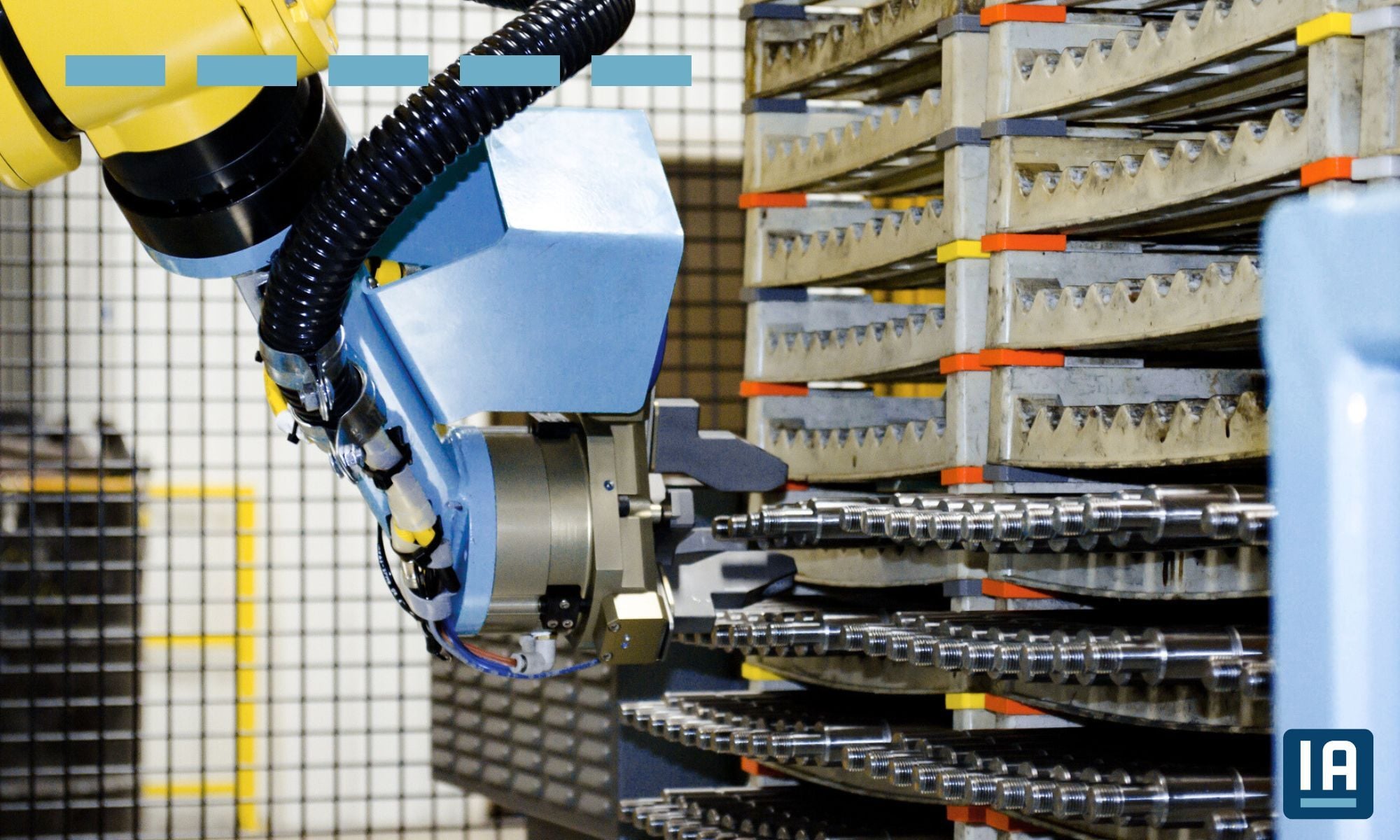
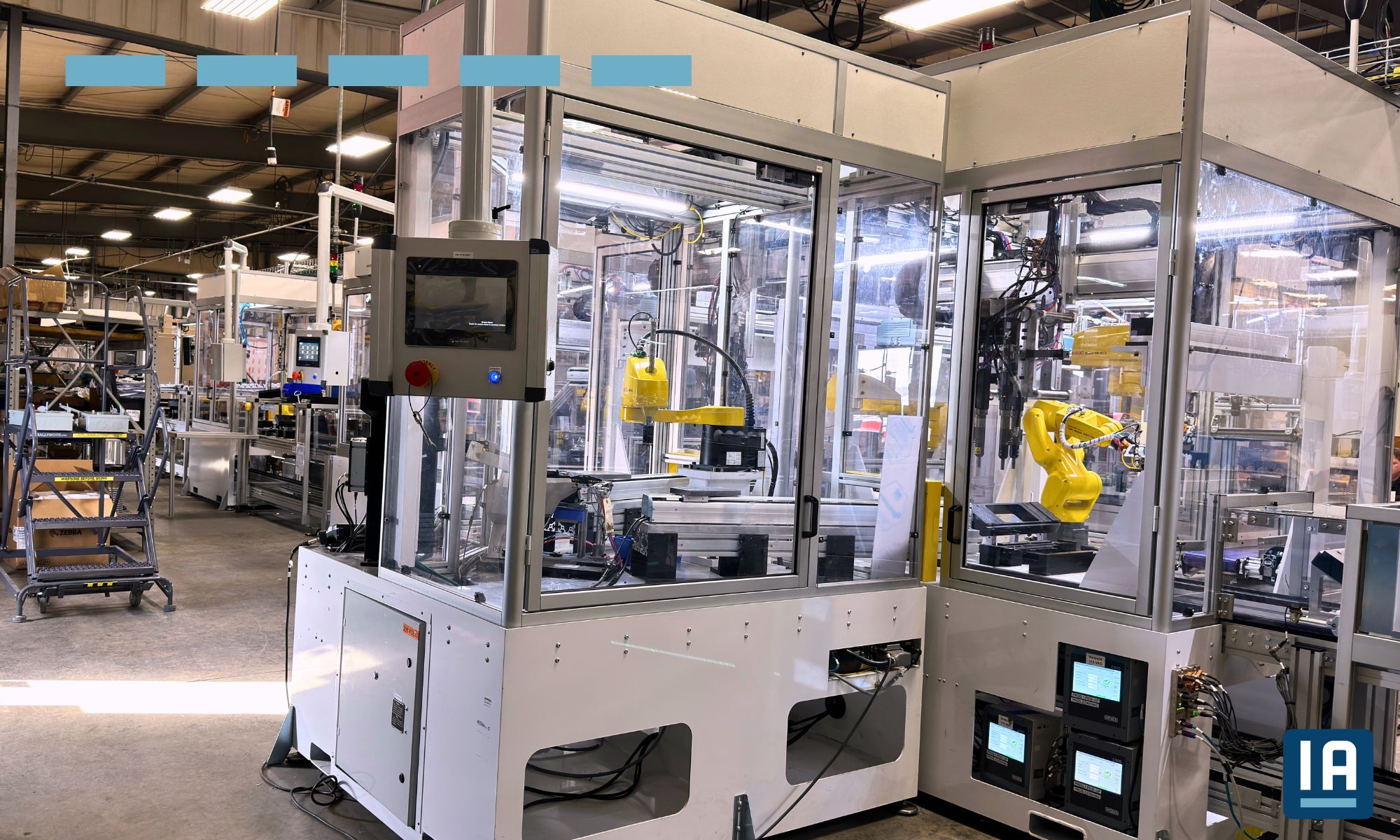
Yes, and it is common in this market. Every machine we build is robot loadable, and we do the automation in house, so end finishing and end forming can run in one cell rather than as two manual stations.
Steel, stainless steel, copper, and brass, plus other ferrous and non-ferrous tube and plastic. Material behavior drives the tooling, so the tool is developed around what you are actually running rather than a generic setup.