Skip to content

Process Upgrades and Retrofits

Bring an older machine up to current controls, safety, and cycle time instead of replacing a machine that is still mechanically sound. New build or retrofit, our in-house team handles every step.

Retrofit or Replace?

A retrofit updates part of a machine rather than the whole thing. The frame, the ram, and the clamp on a well-built endformer will outlast several generations of the controls bolted to them, which is why a machine can be mechanically excellent and functionally obsolete at the same time.

The question is always whether the working components are sound. If they are, and the problem is controls that nobody supports, safety that would not pass a current review, or an operator loading parts by hand, then a retrofit gets you a current machine for a fraction of a new one. If the machine is worn through or was never the right size for the part, replacing it is the honest answer, and we will tell you that rather than sell you a retrofit that will not solve it.

What We Upgrade

Controls and Electrical

Drives, sensors, and control components that have aged out of support, replaced with current hardware and reprogrammed. This is the most common retrofit, because it is usually a parts availability problem rather than a machine problem.

Safety Systems

Guarding, interlocks, and control systems brought up to current expectations. Machines built decades ago were built to the standards of their day, and the standards have moved.

Robot Loading and Automation

Adding automation to a machine that is currently loaded by hand. Every machine we build is automation ready, and we can automate other manufacturers’ equipment as well. Because we do the automation in house, you get one system from one supplier instead of an integrator and an equipment builder pointing at each other.

Tooling Updates

New tooling for a new endform, a new material, or a tolerance that has tightened since the machine was installed. If the machine has the diameter capacity and the ram hits, new tooling is often the entire project.

Mechanical Refurbishment and Modernization

Rebuilding the worn working components so the machine holds tolerance again. This is the difference between a machine that is old and a machine that is finished.

Built for Automation, Backed by Expertise

Wauseon TubeTech equipment is engineered for seamless automation integration, whether you are building a new system from the ground up or modernizing existing machinery. Our in-house team handles every step, which is the part that usually goes wrong when a retrofit is split between an integrator and whoever built the machine.

What that gets you:

  • Seamless system integration, because the machine and the automation come from the same team
  • New build or retrofit handled the same way, with the same engineers
  • In-house automation experts rather than a subcontracted integrator
  • Full lifecycle support on the retrofitted cell, not just a commissioning sign-off

The practical effect on your floor is that the operator stops feeding the machine and starts tending the cell, and the cycle at the end of second shift looks like the cycle at the start of first.

Why Bring a Retrofit to Us

We build tube forming machines, we build the tooling that runs in them, and we build the automation around them. A retrofit touches all three, which is why it usually goes badly when it is divided between suppliers who each own one piece.

For more than 40 years, manufacturers have trusted us to design, build, and program tube forming equipment in house. From complexity to confidence, we stay with you across the entire life of your equipment.

Icon
40+ Years of Experience
Icon
New Build or Retrofit
Icon
Works on Any Manufacturer’s Equipment
Icon
Seamless System Integration
Icon
Full Lifecycle Support

Our Tube Forming Lifecycle

Wauseon TubeTech machines are built to last decades, and so is our commitment to support them. Six stages cover the whole arc, from the first look at your part to supplying finished parts years later. Not every project uses all six, and plenty of customers join partway through.

Step 1: Process Evaluation We review your prints, processes, and parts, establish the best process for the part, review it with you, and quote it.

Step 2: Design and Build We design the concept, review it with you, and design the tooling package around it.

Step 3: Development A dedicated development technician modifies the tooling to your specifications, with tooling runoff in house, a five-piece tryout with samples submitted for approval, and capability studies available on request.

Step 4: Build to Print Parts produced to your print, with machining handled inside our own group, delivered ready to run.

Step 5: Production Support Uptime recommendations, downtime support, tooling troubleshooting, spare parts and tooling, machine maintenance, and refurbishment and modernization.

Step 6: Finished Part Supply Short run production, overage runs, emergency capacity, and long term supply contracts.

Tell Us What You Are Running

Send us the machine, its age, and what is frustrating you about it, and we will tell you whether it is worth retrofitting and what that would involve. No pressure and no obligation. If the answer is replace it, we will say so.

Frequently asked questions

What is a tube forming machine retrofit?

A retrofit updates part of an existing machine rather than replacing the whole thing. That usually means controls and electrical, safety systems, or adding robot loading, and sometimes mechanical refurbishment of the machine itself. The machine keeps working, it just works to a current standard.

Should I retrofit or replace?

It comes down to whether the machine is mechanically sound. If the frame, ram, and clamp are in good condition and the problem is obsolete controls, missing safety, or manual loading, a retrofit is usually the better arithmetic. If the machine is worn through its working components or the wrong size for the part, replacing it is the honest answer, and we will say so.

Can you add a robot to a machine I already own?

Usually yes. Every machine we build is automation ready, and we can also automate equipment built by other manufacturers. Because the automation is done in house, the cell is one system from one supplier rather than an integrator negotiating with an equipment builder.

Can you retrofit a machine that another company built?

Yes. Whether the equipment is ours or another firm’s, we can integrate, automate, retrofit, and service it. A plant running mixed equipment should not have to run mixed suppliers.

What can be upgraded on an older machine?

Controls and electrical, including drives and sensors that have gone out of support. Safety systems brought up to current expectations. Robot loading and unloading. Tooling updated for a new endform or a new material. And mechanical refurbishment of the machine itself where the working components are worn.

Will a retrofit improve cycle time?

It often does, particularly where the original machine was hydraulic and pressure controlled or where the loading was manual. Automating the load and unload usually does more for real output than a faster cycle does, because it removes the variation between a fresh operator and a tired one.

What if my machine is decades old?

That is a common starting point rather than a problem. These machines are built to last decades, which is exactly why modernizing them is often worth doing. We will assess it and tell you what is worth keeping.

Can you update tooling for a new part on an existing machine?

Yes. If the machine has the diameter capacity and the ram hits for the new endform, new tooling is usually all that is needed. Our tooling team develops it and proves it out on a tryout machine matching your equipment.

Tube Forming Resources

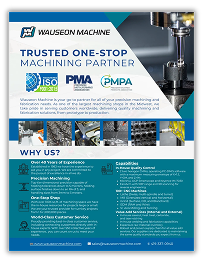
tube-forming-tech brochure

Tube Forming Technologies Brochure 

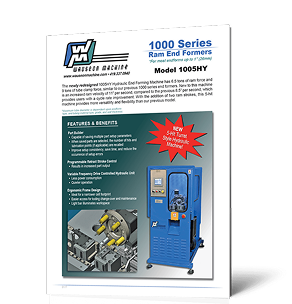
tube-forming-data-sheets

Tube Forming Equipment Data Sheets