The value of industrial automation reaches well past labor savings. Consistency, reduced scrap, higher uptime, and safety-incident avoidance all carry real weight on the return. The projects that pay off start with a specific production problem rather than a specific technology, and they are designed to flex as demand changes.
Industrial automation is changing how manufacturers approach production, quality, and workforce challenges. Rather than simply replacing people, automation can shift employees away from repetitive, difficult, or dangerous tasks and into roles that require problem-solving, oversight, and process expertise.
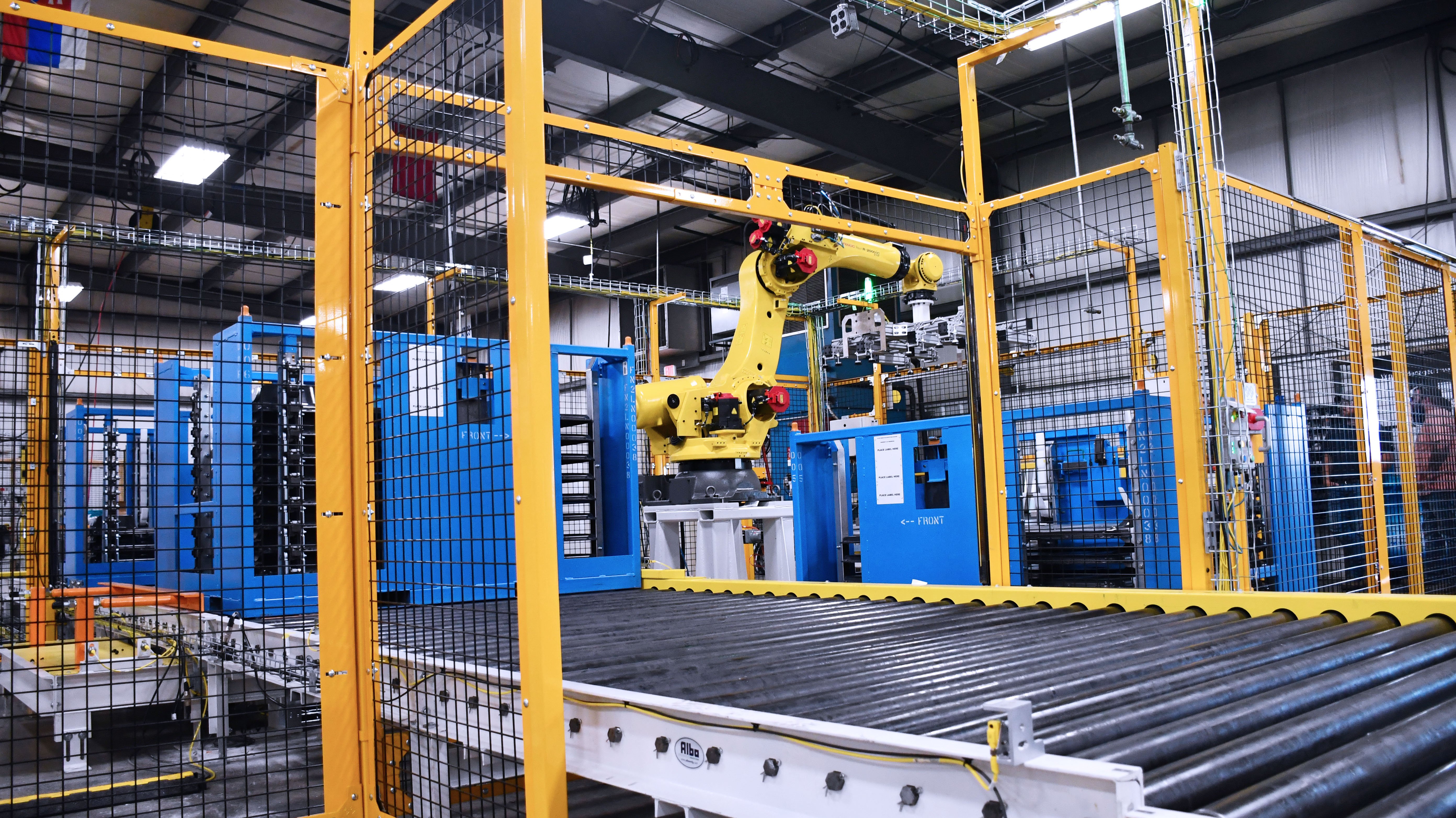
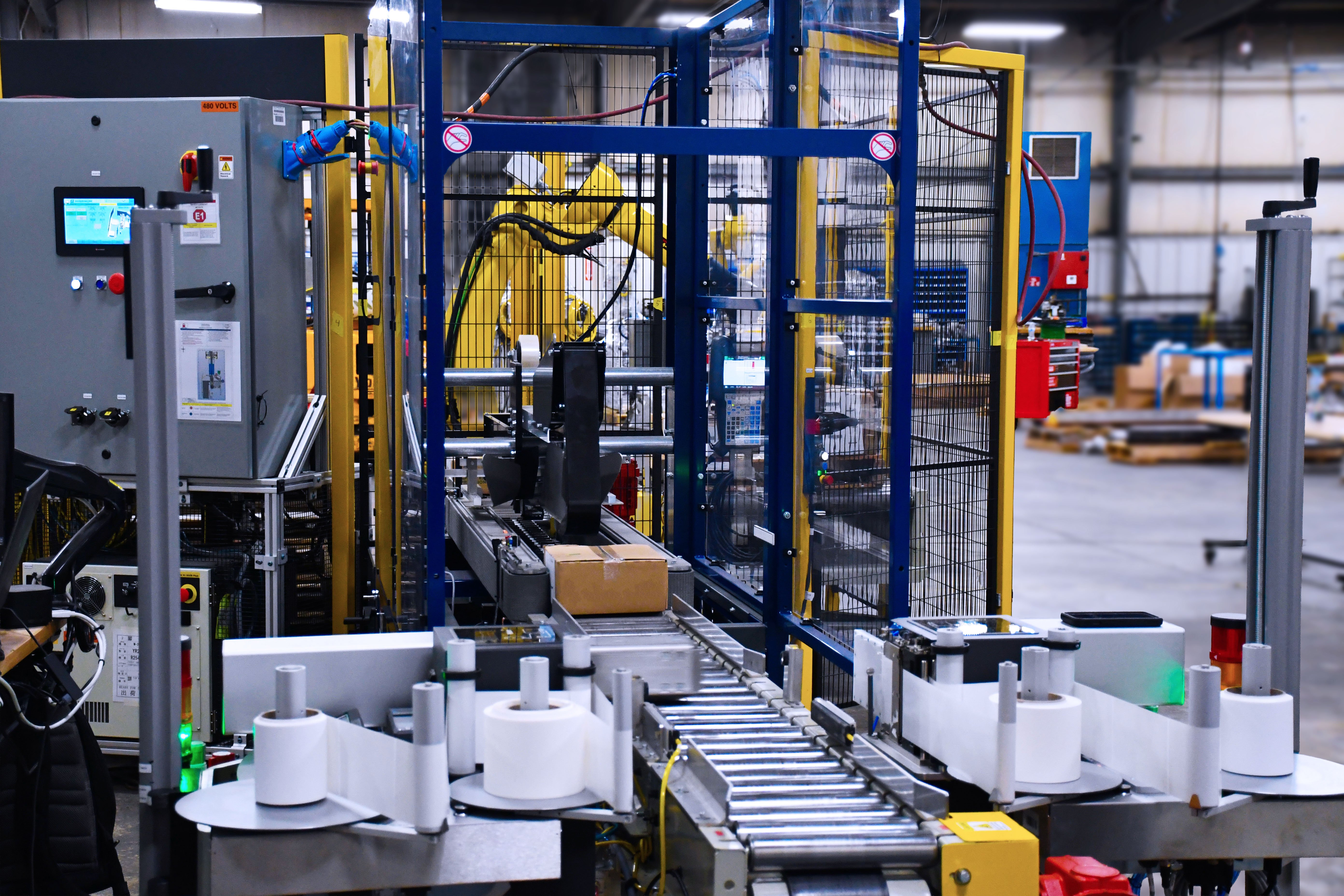
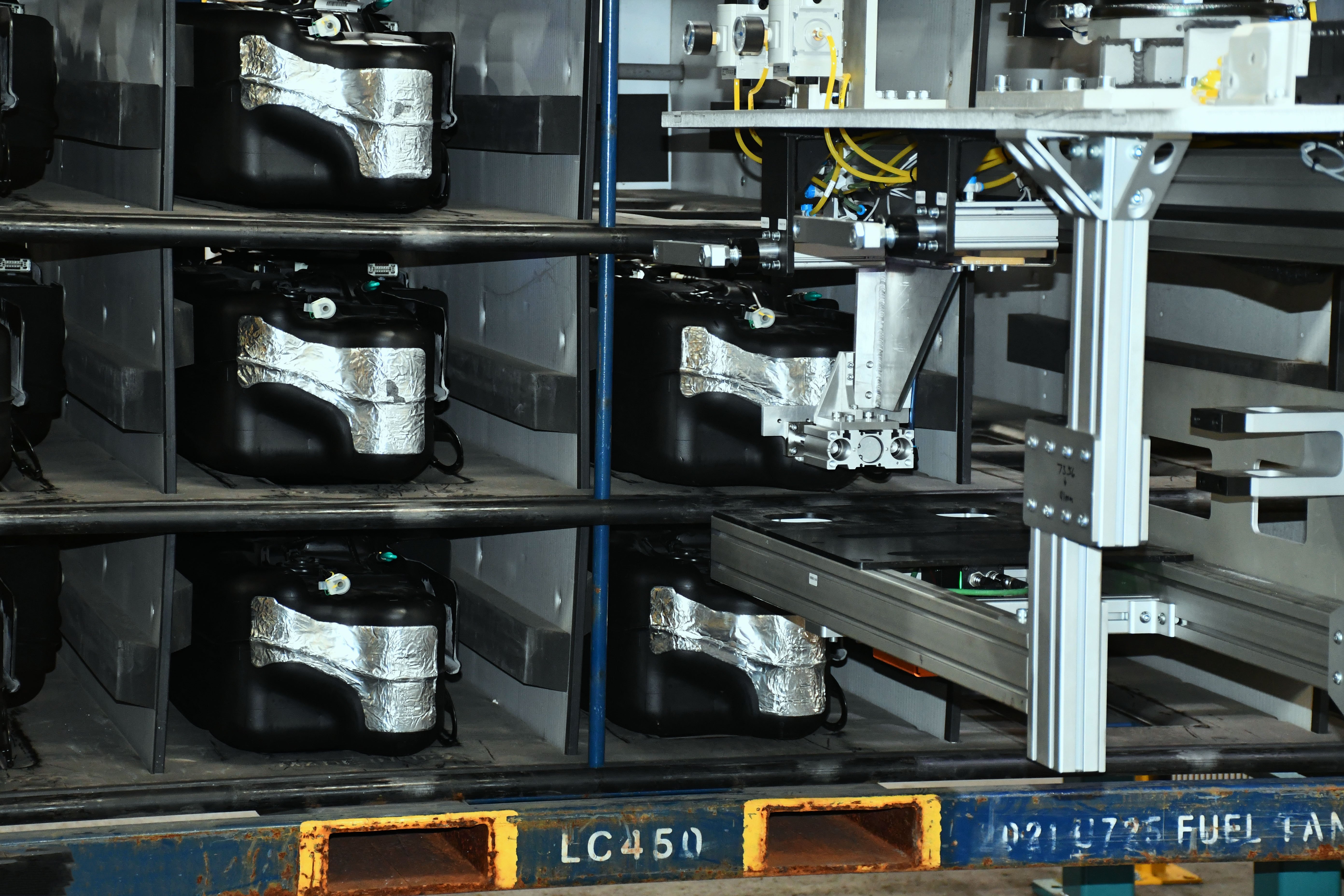
From robotic assembly and vision inspection to material handling and packaging, the most effective automation projects begin with a clear production problem and are designed to support long-term operational goals.
Automation Does More Than Reduce Labor
One of the most common misunderstandings about industrial automation is that its value is limited to labor savings. Labor availability is an important consideration, especially when repetitive positions are difficult to fill, but it is only one part of the overall return on an automation investment.
At Integrion Automation, we consider consistency, reduced scrap, increased uptime, and safety-incident avoidance as important contributors to automation ROI. Manufacturers should evaluate projects based on that full operational impact, not just the labor hours they may save. That full-picture view is how we scope every industrial automation system we build.
For example, vision systems can inspect dimensional features, confirm component presence, identify defects, and sort reject parts at production speed. This helps support consistent quality while keeping production moving.
Where Does Automation Fit on the Factory Floor?
Automation can support applications involving repetitive handling, precise assembly, inspection, testing, and packaging. The table below maps the most common applications to the production problems they are usually brought in to solve.
| Application |
What the system does |
The production problem it addresses |
| Robotic material handling |
Picks, places, orients, transfers, or loads components and finished goods. |
Repetitive manual handling, ergonomic strain, and throughput limits on transfer steps. |
| Assembly automation |
Runs multi-step assemblies that require accuracy, repeatability, and verification. |
Build-to-build variation, missed steps, and rework found downstream. |
| Vision inspection |
Inspects dimensional features, verifies components, identifies defects, and sorts reject parts. |
Quality escapes, scrap, and manual inspection that slows the line. |
| Packaging and dispensing |
Supports product dispensing, blister-pack handling, tray loading, vision inspection, and barcode scanning for data capture and tracking. |
End-of-line bottlenecks and gaps in traceability data. |
These applications can be adapted to a range of manufacturing environments, depending on the production challenge. Whether the need is to reduce manual handling, improve assembly consistency, inspect parts, or streamline packaging, the strongest automation projects are designed around the specific process and intended production goals.
Building for Flexibility
Efficiency matters, but manufacturers should avoid designing a line solely for one product at its maximum speed. When demand shifts or product variants change, a highly dedicated system can become difficult to adapt.
A resilience-focused approach builds in flexibility from the start. Quick changeovers, modular automation cells, and the ability to add product variants can help manufacturers respond more effectively when requirements change.
Standardizing a successful application can also help manufacturers replicate that approach across lines or plants, turning one automation success into many.
Where Should You Start With Automation?
For manufacturers considering automation, the best place to start is not with a specific technology. It is with the production challenge: a bottleneck, a task that is difficult to staff, an injury-prone operation, or a process with high scrap.
Automating where the need is greatest can help generate stronger ROI and build organizational support. Operators should also be involved early, since their day-to-day knowledge of the line can help identify practical challenges and support successful adoption. Working with a partner that can assess the application and provide support from initial planning through installation can further help manufacturers move from a production challenge to a well-aligned automation solution.
A Practical Path Forward
Industrial automation can help manufacturers improve productivity, quality, safety, and resilience when it is applied to the right problem and designed with the future in mind.
By evaluating the full operational return, involving operators early, and planning for flexibility, manufacturers can build automation solutions that support both current production needs and long-term performance.
The clearest way to see what that looks like is to walk a floor where it is already running. Schedule a visit to our facility in Wauseon, Ohio and bring the process you are trying to solve.
Frequently Asked Questions
What is the ROI of industrial automation beyond labor savings?
Labor is one input, not the whole calculation. Consistency, reduced scrap, increased uptime, and safety-incident avoidance all contribute to the return on an automation investment. Evaluating a project on that full operational impact usually gives a more accurate picture than a labor-hours comparison alone.
Which manufacturing tasks are the best candidates for automation?
Repetitive handling, precise assembly, inspection and testing, and packaging are the most common starting points. The best candidate on any given floor is the operation causing the most trouble: the bottleneck, the position that is hardest to staff, the injury-prone task, or the process generating the most scrap.
How do you keep an automated line flexible?
Flexibility is designed in at the start, not added later. Quick changeovers, modular cells, and the ability to add product variants let a system absorb demand shifts and new products without a rebuild. A line optimized purely for one product at maximum speed is the hardest kind to adapt.
Should operators be involved in an automation project?
Yes, and early. Operators know where the line actually struggles, which parts run differently, and what workarounds have become routine. That knowledge surfaces practical design issues before they are built into the system, and it makes adoption on the floor far smoother.
How do you know if a process is ready to automate?
Start by confirming the process itself is stable and well understood. Clear part presentation, consistent incoming quality, and a defined sequence of steps all make a process a stronger candidate. If the operation changes constantly or depends on undocumented operator judgment, that usually needs to be addressed before automation is designed around it.