Automation Solutions
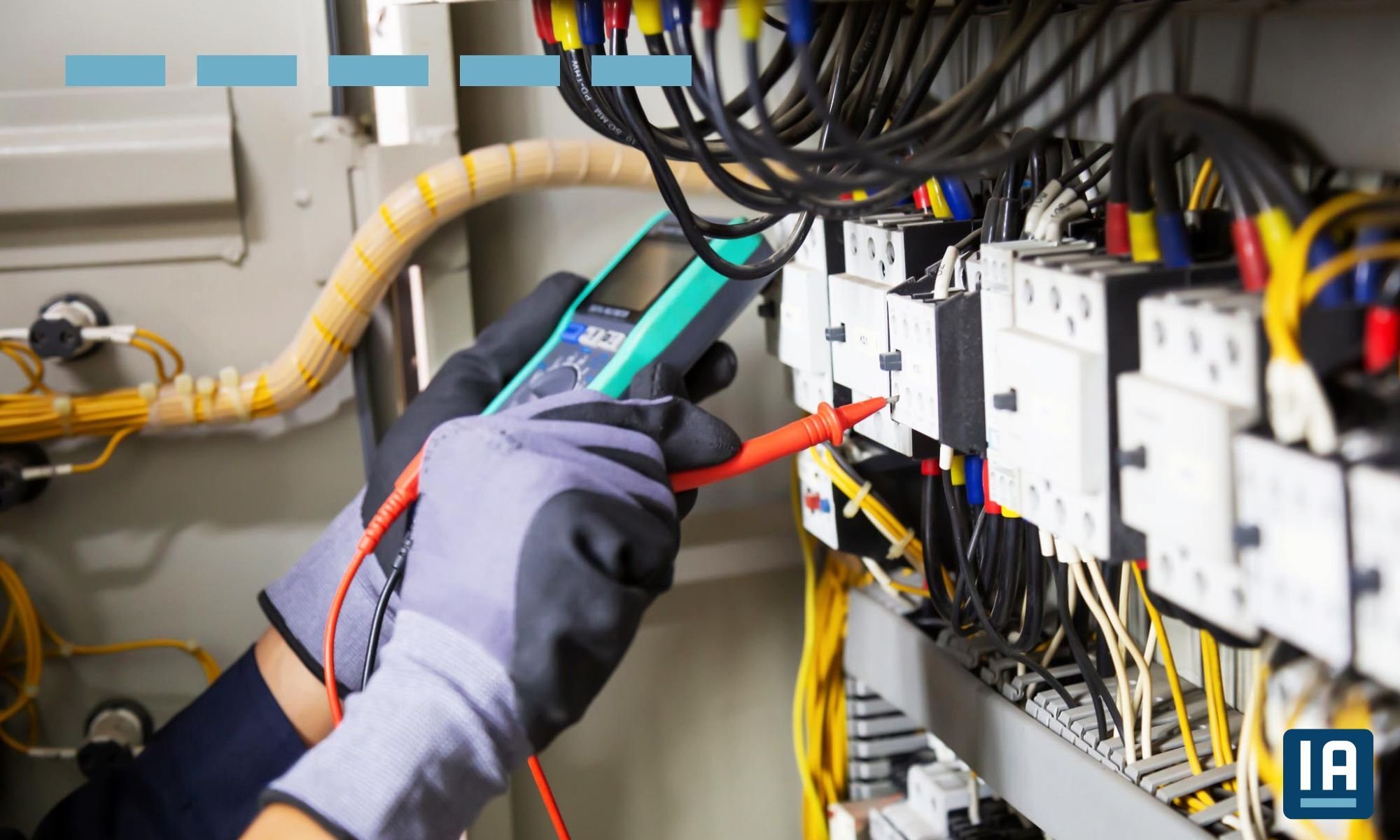

UL 508A certification means an industrial control panel was built by a shop enrolled in UL's Industrial Control Panel Shop Program, using listed components, verified wire sizing, and a documented short-circuit current rating marked on the nameplate. For you, it means the panel passes electrical inspection without a field evaluation.
Most people first encounter UL 508A at the worst possible moment: the equipment is on the floor, the schedule is set, and the electrical inspector will not sign off because the control panel has no listing mark. What follows is a field evaluation, a few weeks of delay, and a bill nobody budgeted for.
That outcome is entirely avoidable, and it is decided long before the panel ships. Here is what the standard covers, why the code requires it, and what to ask before you accept a control panel from anyone. Integrion Automation builds control panels in house as a UL 508A certified shop, which is one of the reasons our partner and certification portfolio matters on a project schedule rather than just on a wall.
UL 508A is the North American safety standard for industrial control panels operating at 1000 volts or less. It is not a component standard and it is not a rubber stamp on a finished box. It governs how the panel is designed and built from the first line on the schematic.
The standard covers component selection, conductor sizing and routing, overcurrent protection, spacing and mounting, enclosure environmental rating, internal wire and terminal identification, documentation inside the panel, and the content of the nameplate. Every component in the power circuit has to be UL listed or UL recognized, and recognized components can only be used inside the limits UL defines for them.
The certification attaches to the shop, not to a single panel. A shop applies to UL, a field engineer audits the facility, the procedures, and a sample panel, and if the shop passes it is authorized to apply the UL mark to its own work. UL then returns for unannounced follow-up inspections and can pull any panel in production for review. A shop that stops meeting the standard loses the authorization.
That distinction matters when you are evaluating a supplier. A UL 508 mark on a relay or a starter tells you that device is listed. It tells you nothing about the assembly it sits in. Only a UL 508A mark on the panel nameplate confirms the complete assembly was built under an audited program.
Article 409 of the NEC requires industrial control panels to be listed or labeled by a nationally recognized testing laboratory. OSHA 1910.303 reinforces it from the other direction: electrical equipment is acceptable only if it has been approved, meaning listed, labeled, or otherwise determined safe by a recognized body.
In practice that puts three parties in your path. The authority having jurisdiction, usually your local electrical inspector, will look for a listing mark. Your insurance carrier will look for documented compliance. Your own internal safety review will ask the same question. A listed panel answers all three at once with a nameplate. An unlisted panel sends you to a field evaluation, where an inspector comes to your site, examines the assembly after the fact, and issues a report. That process costs money, takes weeks, and can fail.
Short-circuit current rating is the maximum fault current the panel can withstand without failing catastrophically. It is set by the weakest component in the power circuit, calculated using the method in UL 508A Supplement SB, and it has been required on the panel nameplate since the 2005 NEC.
The reason it stops projects is arithmetic. The available fault current at your installation point is a fixed property of your electrical service. If the panel's SCCR is lower than that number, the panel cannot be installed as built. It has to go back for current-limiting fuses or component changes, or the service has to be re-evaluated. Discovering that at commissioning is expensive. Discovering it during design costs nothing.
A certified shop calculates and documents SCCR as part of the build, and asks for your available fault current before the panel is designed rather than after it ships. That is the single most common reason a control panel gets rejected on arrival, and it is the easiest one to prevent.
The certification is not a marketing badge. It obligates the shop to produce specific artifacts on every panel. Use this as a checklist when you evaluate any control panel supplier.
| Deliverable | What it is | Why you need it |
|---|---|---|
| UL nameplate | Permanent label showing the shop's UL file number, SCCR, supply voltage, frequency, and full load amps | This is what the inspector looks for. Verify the file number independently |
| SCCR calculation | Documented Supplement SB analysis of every power circuit component | Proves the panel is rated for your service before it ships |
| Electrical schematics | Complete wiring diagram supplied inside the panel | Your maintenance team troubleshoots from it for the next fifteen years |
| Layout drawings and bill of materials | Component positions and exact part numbers | Spare parts sourcing and future modifications without reverse engineering |
| Component verification | Confirmation every part is UL listed or recognized and used within its limits | One unlisted component invalidates the assembly |
| Wire and terminal identification | Every conductor and termination labeled to the schematic | Cuts diagnostic time when a line is down at 2 a.m. |
| Enclosure rating | NEMA or IP rating matched to the actual environment | A panel rated for a clean room fails in a washdown cell |
An uncertified fabricator can produce a well-built panel. What it cannot produce is the listing mark, and it usually will not produce the documentation package unless you specify it line by line in the purchase order.
Yes, through an arrangement with a certified shop, and it is worth understanding how that works before you assume a quoted panel is covered.
A non-certified company can build panels that carry a UL 508A label only if a certified shop takes responsibility for them and applies its own label. That requires a formal agreement, drawing review by the certified shop, and typically witnessed construction. It is legitimate. It also adds a party, a handoff, and a schedule dependency to your project.
The practical question to ask a supplier is simple: is the panel built under your own UL file number, in your own facility. If the answer involves a third party, ask who owns the SCCR calculation and who applies the label.
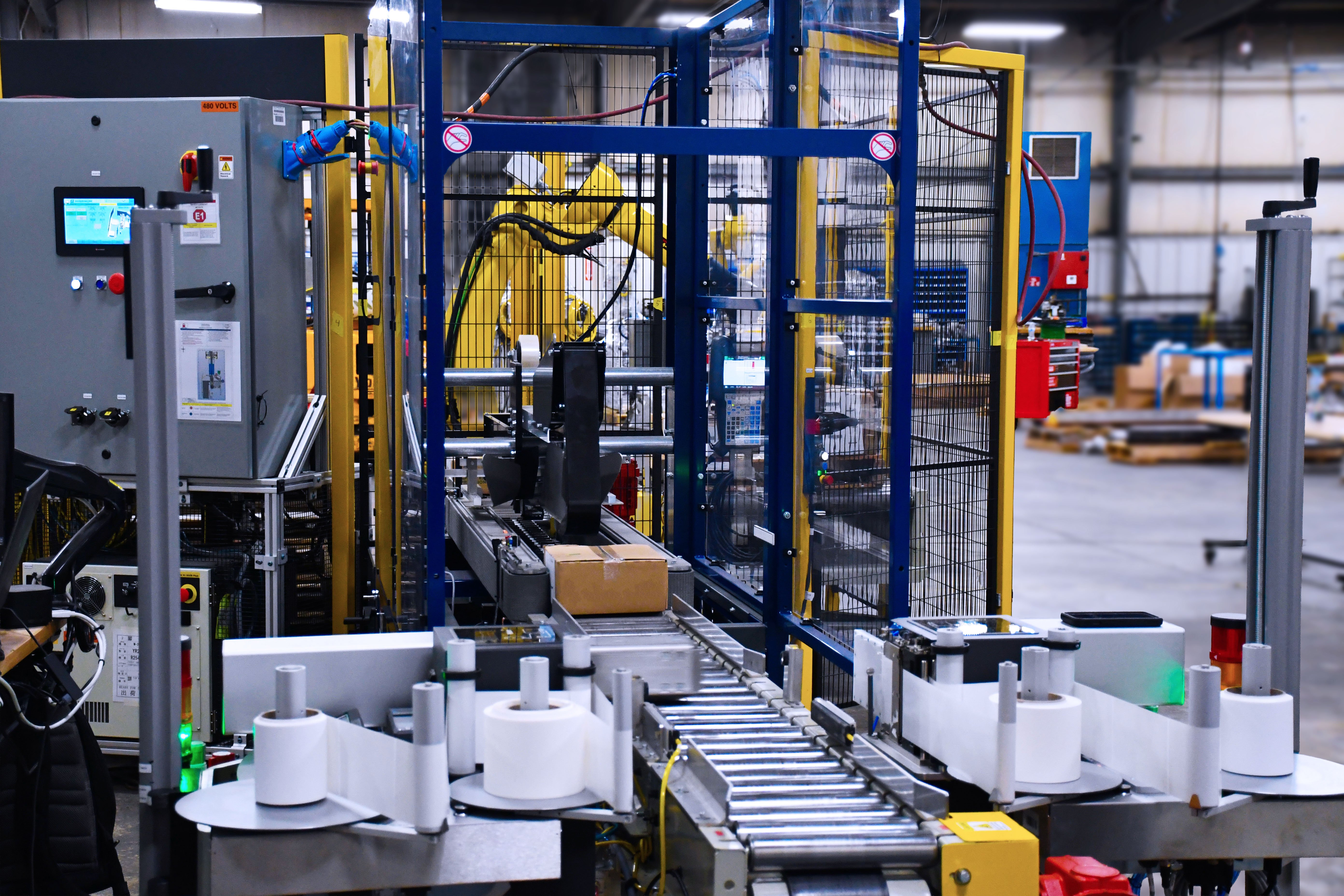
A robot cell is a controls project with a robot in it. The panel houses the safety circuit, the drives, the I/O, and the interlocks that make the cell function as a system rather than as an arm that moves.
When panel fabrication is subcontracted, the integrator writes a specification and hopes it comes back right. Change a gripper, add a sensor, revise a safety zone, and the change order goes out to a vendor with its own queue. When the panel is built in the same building as the cell, the controls engineer who wrote the program is fifty feet from the person landing the wires. Revisions happen the same week instead of the next month, and the person who built the panel is available when your team calls two years later with a question about a terminal.
That is the argument for in-house panel build, and the UL 508A certification is what keeps it from costing you compliance in exchange for speed.
Not universally, but NEC Article 409 requires listing or labeling for industrial control panels, and most authorities having jurisdiction enforce it. Some low-voltage control-only panels carrying 120 volts or less may fall outside SCCR marking requirements. If a supplier tells you your panel does not need to be listed, confirm that with your inspector before you accept it.
UL 508 was a component-level standard for individual industrial control equipment such as starters, relays, and switches, and it has largely been replaced by UL 60947-4-1. UL 508A covers the complete panel assembly. A listed component inside an unlisted panel does not make the panel compliant.
The authority having jurisdiction can require a field evaluation, where an inspector examines the installed panel and issues a report. It is slower and more expensive than building to the standard in the first place, and it can result in required modifications before the equipment is allowed to run.
The information comes from you or your electrical contractor, since it is a property of your service. The panel builder uses it to confirm the panel's SCCR is adequate. Supply it during design, not at installation, and the question never becomes a problem.
Yes. Panel builds are not limited to new cells we integrate. Retrofits, controls upgrades, and replacement panels for existing equipment are all within scope. Reach out with your schematics and your available fault current and we will tell you what is involved.
If you are scoping a cell, replacing an aging panel, or trying to get an inspector to sign off on something that arrived unlisted, bring us the details. Contact our team and we will tell you what the standard requires and what it will take.