Tooling development is where a production idea becomes a practical solution. At Integrion Automation, the process starts with a clear understanding of the application and moves through three defined stages: application assessment, design and build, and development. These stages are designed to reduce risk, improve performance, and support production readiness.
Process Evaluation
The first stage is process evaluation. This is where the team reviews the customer’s process, parts, and requirements to understand what the tooling needs to accomplish. The goal is to identify the right path early and avoid problems later in the project.
As part of this application assessment, Integrion reviews customer prints, processes, and parts, establishes the best process for the application, and collaborates with the customer to review recommendations and finalize a quote. This upfront work creates a clear path to precision and ensures that expectations are aligned before any tooling is designed or built.
This stage also creates alignment between Integrion and the customer. Clear expectations at the start support better planning, faster decisions, and a smoother overall process.
Design and Build
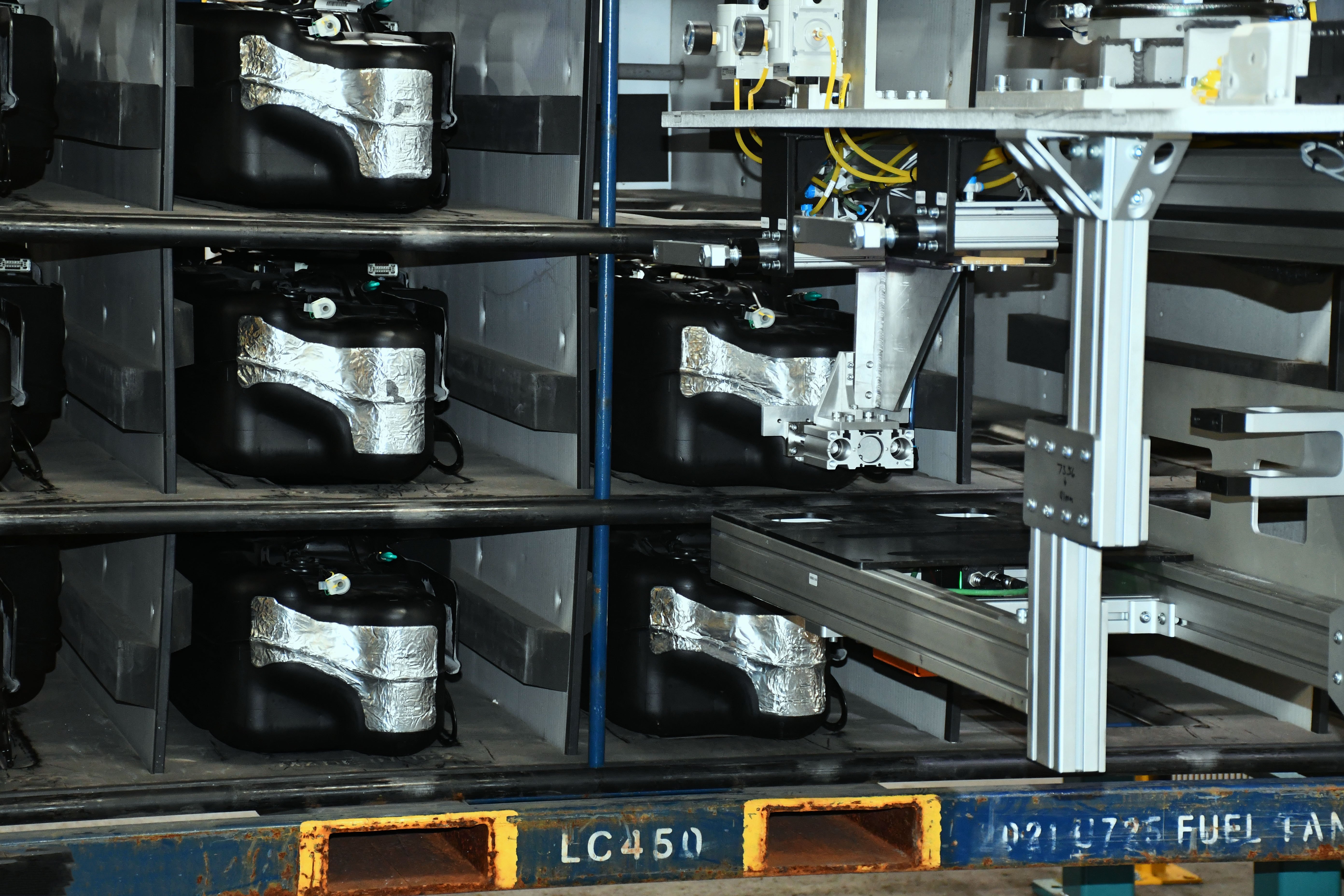
Once the process is defined, the next step is design and build. In this stage, the tooling concept is translated into a practical solution that fits the application and production need. Integrion highlights validated tooling, dedicated development engineers, and a dedicated machining area to support fast turnaround.
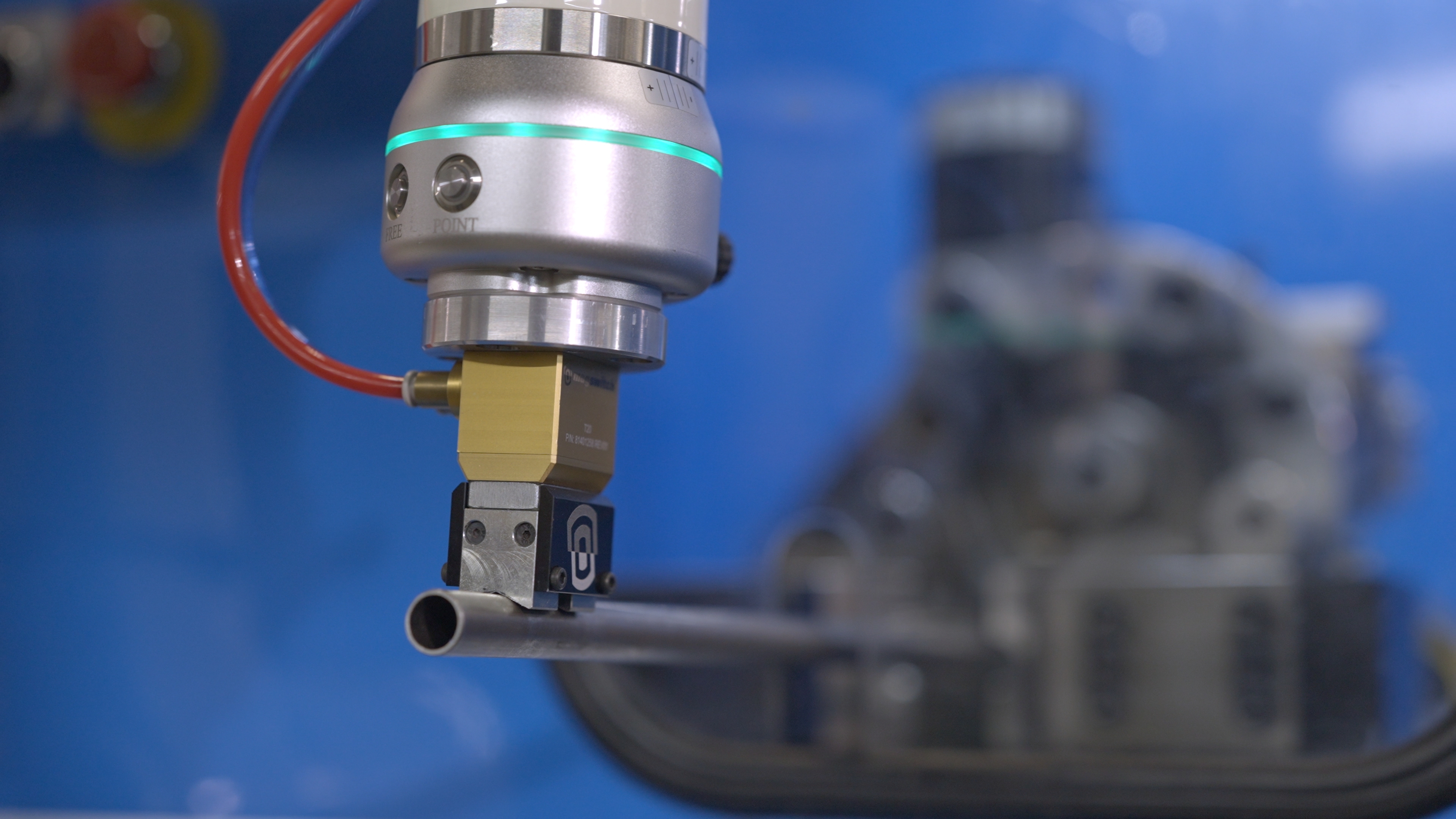
During this stage, the team develops and reviews the tooling concept, then engineers a complete tooling package that supports manufacturability and long-term performance. This design-and-build focus ensures that the tooling is not only technically sound, but also tailored to the customer’s specific application and production environment.
The focus is on building tooling that performs in the real world. That means considering manufacturability, function, and how the tooling will support production over time.
Development
The third stage is development. This is where the tooling is refined, tested, and prepared for production use. The goal is to confirm performance and make sure the final solution is ready for launch.
Integrion assigns a dedicated development technician to modify and fine‑tune the tooling to customer specifications, supporting activities such as five‑piece tryouts and sample submissions so customers can see parts run before full production. Capability studies are available upon request to validate performance, and in‑house tooling runoff helps confirm that the solution is ready for the demands of ongoing production.
Development connects design intent with actual operation. It is the stage where details are confirmed, adjustments are made, and the tooling is validated for the demands of production.
Support Beyond Delivery
Integrion’s process does not stop when the tooling is delivered. The company also supports post-development needs, including build-to-print production support, machine maintenance, and downtime support.
That ongoing support matters. Tooling performance affects uptime, output, and long-term efficiency, so having a partner that stays involved after launch can make a meaningful difference.
Why It Matters
A structured tooling development process helps reduce risk and improve results. When evaluation, design, and development are handled in sequence, teams can move forward with greater confidence and fewer surprises.
By combining application assessment, robust design and build practices, and hands-on development support, Integrion gives manufacturers a clear path to precision tooling, from initial concept through in-house runoff and ongoing service.
For manufacturers, that means better preparation, stronger execution, and tooling that is built to support production over time.