Automation Solutions

Sourcing a turnkey automation cell for your regulated manufacturing operation is one of the most consequential decisions you will make. The partner you choose affects production quality, validation timelines, and the total cost of ownership across the next 15 to 20 years. Integrion Automation helps manufacturers move from complexity to confidence by delivering documentation-ready systems aligned to GAMP best practices.
This guide walks you through every step of the sourcing process. You will learn how to define your requirements, evaluate potential partners, and negotiate contracts that protect your interests long after installation.
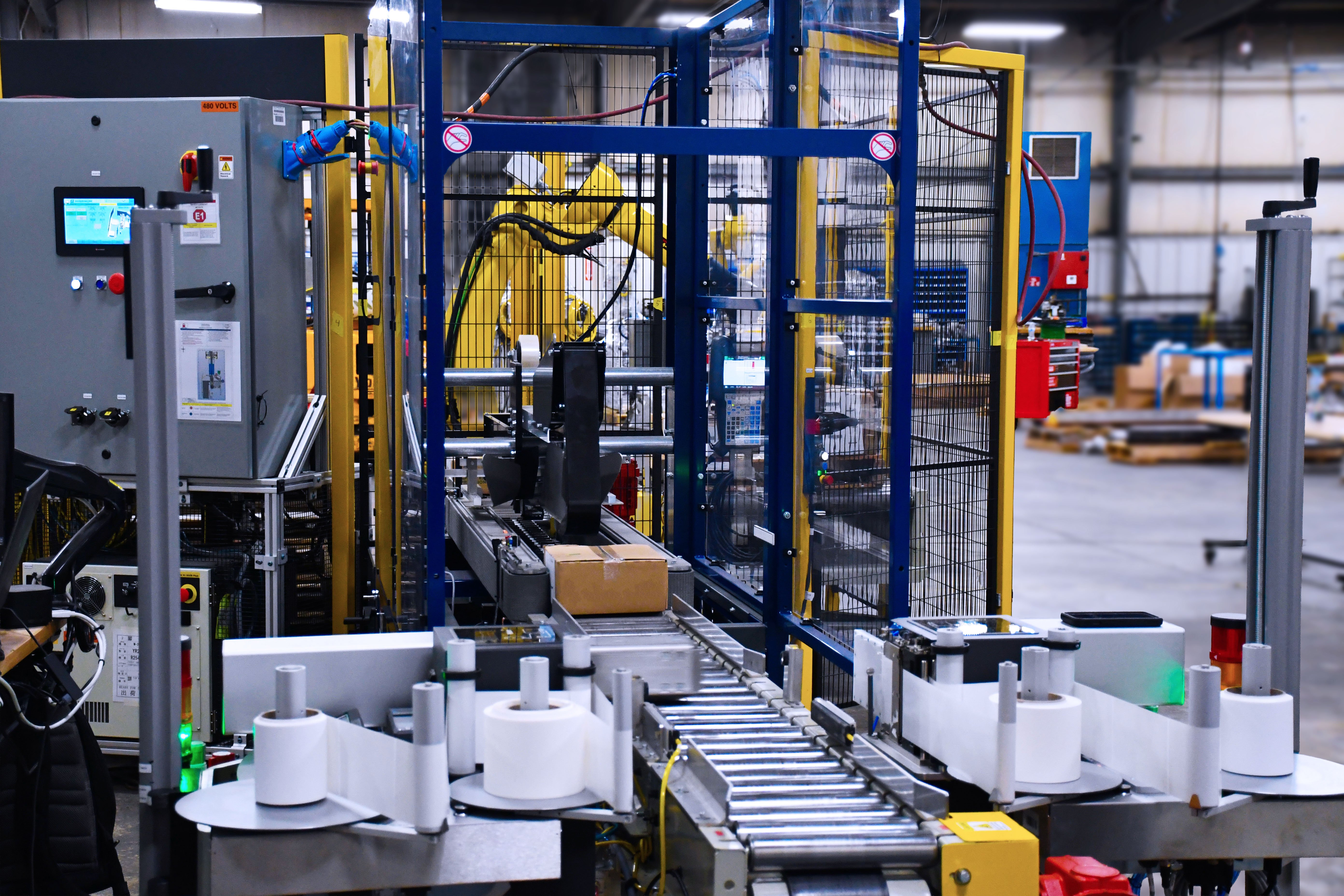
A turnkey automation cell is a fully integrated manufacturing system delivered ready to operate. The vendor handles design, engineering, fabrication, testing, and installation so you can focus on production rather than project management.
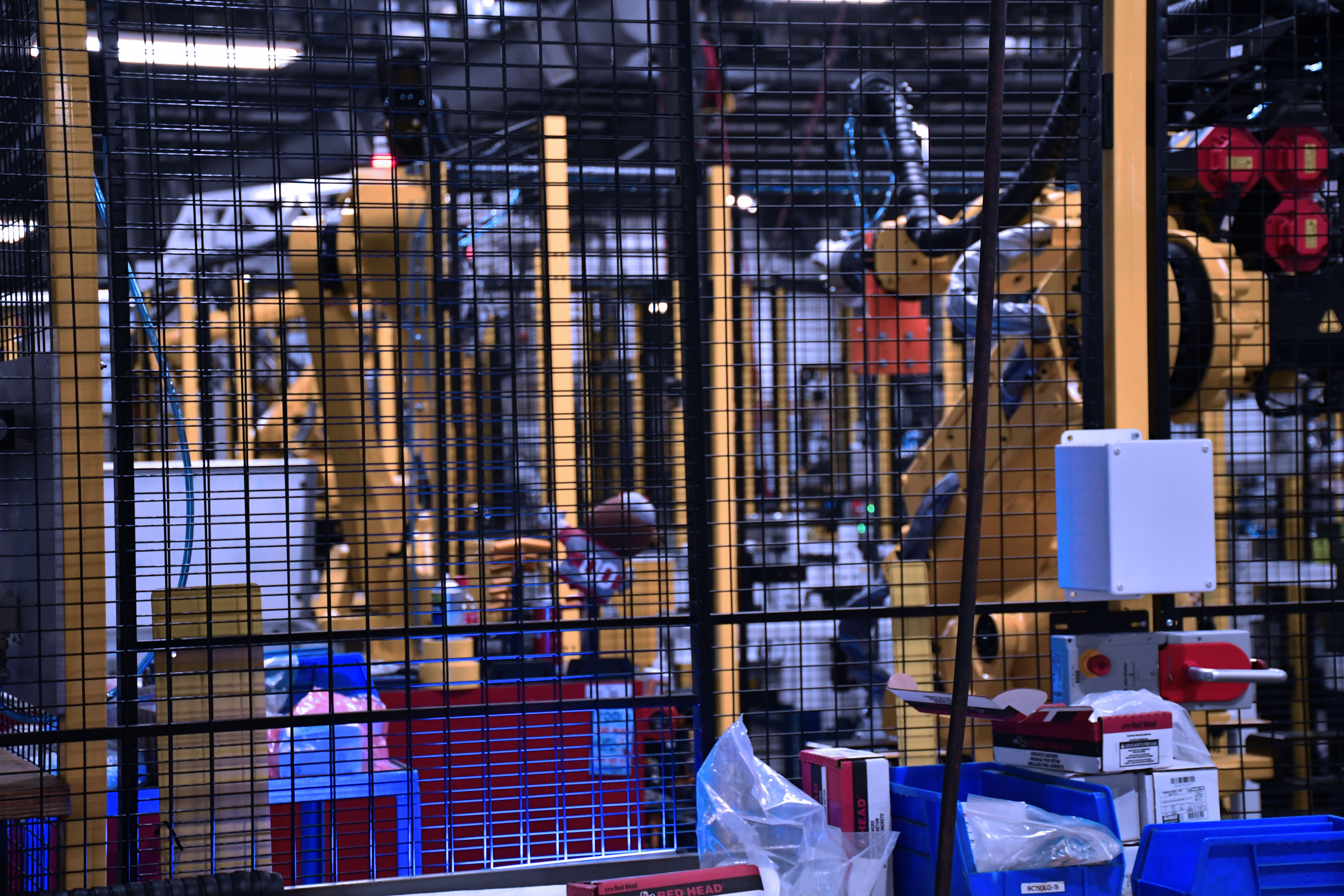
These systems typically include robotic arms, conveyors, sensors, vision systems, and custom tooling. Advanced controls and software tie everything together. The goal is a single-source solution where one partner takes responsibility from concept through commissioning.
For regulated manufacturers, turnkey cells must also include validation documentation. This documentation supports IQ/OQ execution and keeps your project on track for regulatory approval.
Regulated industries like medical devices, pharmaceuticals, and aerospace face documentation and validation requirements that general automation vendors may not understand. Your automation partner must design systems with traceability, cleanability, and audit readiness built in from day one.
A partner experienced in life sciences manufacturing will follow GAMP 5 recommended documentation practices. This approach reduces timing delays during IQ/OQ execution. It also ensures your system meets cGMP requirements without expensive rework.
The wrong partner can cost you months in validation delays and hundreds of thousands in change orders. Selecting a vendor with regulated manufacturing experience protects your timeline and budget.
Start by documenting your current process in detail. Record cycle times, throughput targets, quality specifications, and any manual steps that create variability or risk.
Identify the specific problems you want automation to solve. Are you addressing labor shortages? Improving first-pass yield? Meeting increased demand? Clear objectives help vendors propose relevant solutions.
Include your validation requirements in the initial specification. Document which standards apply (FDA 21 CFR Part 11, ISO 13485, GAMP 5) and what deliverables you expect. This information filters out vendors who lack regulated manufacturing experience.
Validation-ready partners deliver more than functional equipment. They deliver documentation packages that support your quality team's work.
Expect to receive a traceability matrix, FMEA, functional specification, design specification, and validation acceptance test plan. These documents should arrive with the system, not weeks later as change orders.
Ask potential vendors about their experience with GAMP 5 documentation practices. Integrion Automation follows these practices and delivers automation systems designed for cleanability and clean room compatibility. This approach supports your path to regulatory approval.
Integration depth refers to a vendor's ability to engineer complete systems rather than assembling components from multiple suppliers. Deep integration reduces finger-pointing when problems arise.
Look for partners with in-house capabilities across mechanical engineering, electrical engineering, controls programming, and software development. Vertically integrated vendors solve problems faster because they own every layer of the system.
Ask about the vendor's experience with your specific application. A partner with decades of robotic automation experience brings lessons learned from previous projects. This experience translates into fewer surprises during installation and commissioning.
Your relationship with an automation partner should extend far beyond installation. Equipment that runs for 15 to 20 years requires ongoing maintenance, spare parts, and occasional upgrades.
Ask vendors how long they will support your system. Inquire about spare parts availability and lead times for critical components. Confirm whether the same technicians who built your system will service it.
Integrion Automation's field service team offers expert support for installed systems. Their proactive maintenance approach helps you prevent disruptions before they occur. Master service agreements offer predictable support costs and priority response times.
Impressive engineering means nothing if your team cannot keep the system running. Prioritize partners who design for maintainability rather than technical awards.
Ask whether your existing maintenance staff can diagnose common issues and replace wear components. Request documentation that your operators can understand without calling the vendor.
Systems designed for maintainability deliver higher uptime over their full lifecycle. They also reduce your dependence on vendor support for routine issues. This independence lowers total cost of ownership significantly.
Request references from customers who have operated the vendor's equipment for at least five years. Ask those references about spare parts availability, documentation quality, and the vendor's responsiveness to service requests.
Review the proposed control system architecture. Open standards and commonly available components make future maintenance easier. Proprietary systems lock you into a single vendor for support and upgrades.
Confirm that the vendor will train your staff during commissioning. Hands-on training with the actual equipment builds competence that classroom sessions cannot match.
Quality partners invest time upfront to understand your process before proposing solutions. This investment reduces surprises and ensures the final system meets your actual needs.
Pre-automation services may include automation assessments, ROI calculations, volume ramp-up strategy development, and process risk assessments. Some vendors offer proof-of-principle testing for novel applications.
Integrion Automation brings a disciplined approach to every project. Their process experience spans high precision automated assembly, inspection and testing, material handling, and many other applications. This experience informs realistic proposals that you can trust.
A detailed RFP saves time for both you and potential vendors. Include your process description, throughput requirements, quality specifications, and validation documentation needs.
Specify your timeline and any constraints on installation windows. Regulated manufacturers often have limited downtime available for commissioning new equipment.
Request detailed breakdowns of project phases, milestones, and deliverables. Ask vendors to identify risks and explain how they will mitigate them. Detailed responses reveal which vendors truly understand your requirements.
Create a scoring matrix that weights your priorities. Validation readiness, integration depth, lifecycle support, and maintainability should all factor into your evaluation.
Look beyond the initial purchase price. Total cost of ownership includes maintenance, spare parts, downtime, and eventual upgrades over the system's full lifecycle.
Visit vendor facilities if possible. Seeing their operations firsthand reveals their true capabilities better than any proposal document can.
Be cautious of vendors who promise unrealistic timelines or budgets. Automation projects for regulated environments require careful planning and validation activities that take time.
Watch for vendors who resist sharing references or who cannot explain their documentation practices clearly. Reluctance to discuss these topics suggests gaps in their regulated manufacturing experience.
Avoid vendors who push standard solutions without understanding your specific requirements. Cookie-cutter approaches rarely succeed in regulated environments with unique validation needs.
Include clear performance specifications in your contract. Define acceptance criteria, testing protocols, and the consequences of failing to meet them.
Specify documentation deliverables and their due dates. Late documentation can delay your validation activities even if the equipment arrives on time.
Address change order procedures upfront. Regulated manufacturing projects often evolve during execution. Clear processes for handling changes prevent disputes later.
Establish regular communication cadences with your vendor. Weekly status calls during active project phases keep everyone aligned and surface issues early.
Designate a single point of contact on your side. This person should have authority to make decisions quickly when the vendor needs direction.
Plan for factory acceptance testing before the system ships. Testing at the vendor's facility catches problems before the equipment arrives at your site. This approach reduces commissioning time and validation delays.
Installation timelines depend on system complexity and your facility's readiness. Prepare utilities, floor space, and network connections before the equipment arrives.
Commissioning includes mechanical installation, electrical connection, software configuration, and integration with your existing systems. Validation activities typically follow commissioning.
Your vendor should offer hands-on training for operators and maintenance staff during this phase. Document any deviations from the original specification for your validation records.
The installation completion marks the beginning of your relationship, not the end. Successful partnerships evolve as your production needs change.
Share feedback openly with your vendor. Honest communication helps them improve their products and services. It also ensures they understand your evolving requirements.
Consider service agreements that include preventive maintenance, priority support, and spare parts programs. Integrion Automation's 40 years of experience supporting installed systems demonstrates their commitment to long-term customer success.
Sourcing turnkey automation cells for regulated manufacturing requires careful evaluation of validation readiness, integration depth, lifecycle support, and maintainability. The right partner reduces project risk and delivers systems that perform reliably for decades.
Take time to define your requirements clearly before contacting vendors. Evaluate proposals against a scoring matrix that reflects your priorities. Structure contracts that protect your interests and establish processes for managing the relationship over time.
Integrion Automation designs, engineers, and integrates custom automation cells built for regulated environments. With documentation-ready processes and lifecycle management support, they help manufacturers achieve operational confidence and long-term success.
A turnkey automation cell arrives fully integrated and ready to operate. The vendor handles design, engineering, fabrication, testing, installation, and documentation. You simply commission the system and begin production without managing multiple suppliers.
Implementation timelines vary based on complexity. Simple cells may take three to six months from contract to commissioning. Complex regulated manufacturing systems often require 12 to 18 months including validation activities.
Expect a traceability matrix, FMEA, functional specification, design specification, and validation acceptance test plan. Integrion Automation delivers these documents as standard deliverables for regulated manufacturing projects.
Ask about spare parts availability, field service response times, and preventive maintenance programs. Request references from customers who have operated the vendor's equipment for five or more years to understand real-world support quality.
System integrators often assemble components from multiple suppliers. Turnkey providers take full responsibility for the entire system from design through commissioning. Turnkey providers typically offer deeper integration and single-point accountability.
Integrion Automation delivers turnkey automation cells with documentation aligned to GAMP best practices. Their field service team supports installed systems with preventive maintenance and priority response. This approach helps regulated manufacturers achieve lasting operational confidence.