Automation Solutions
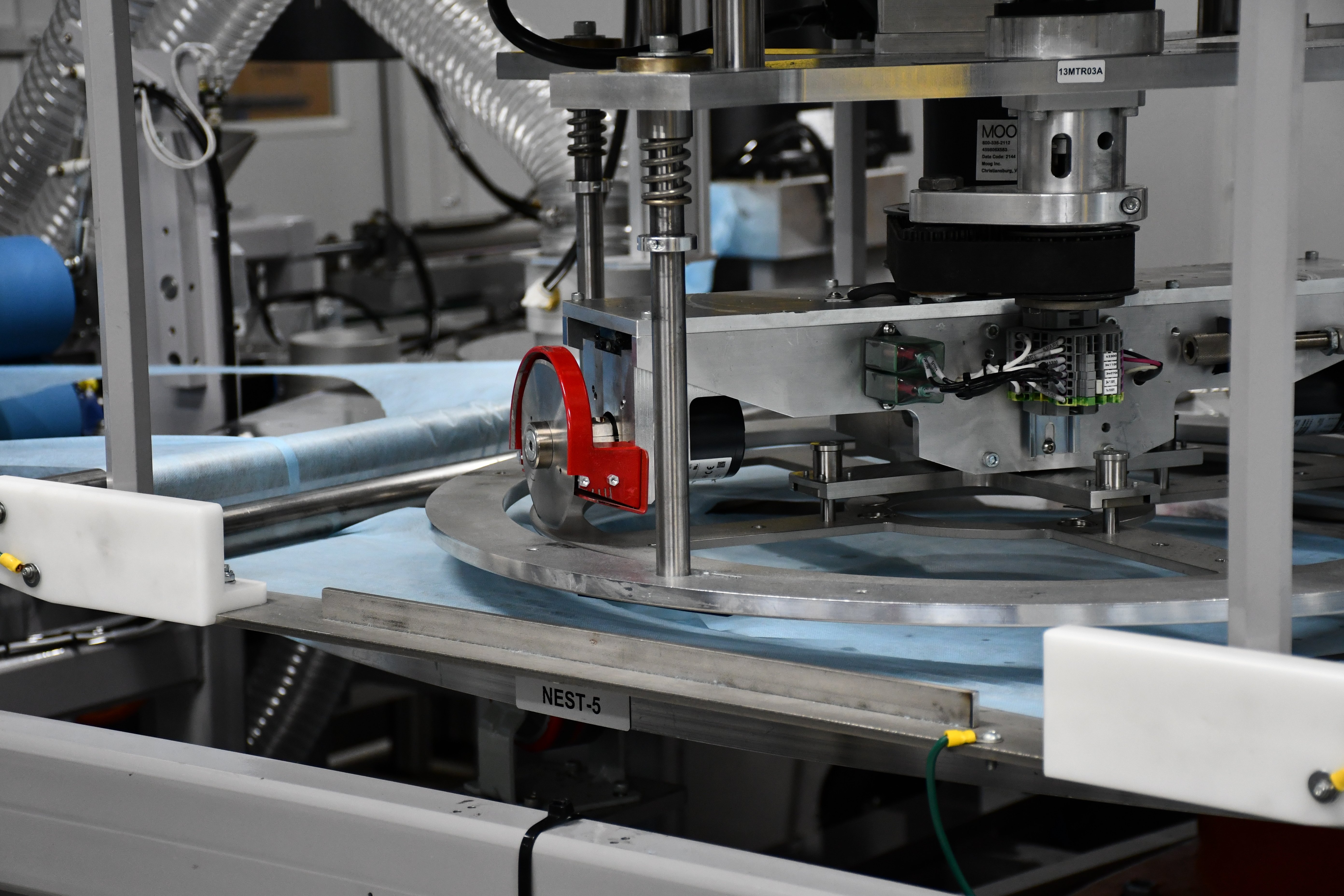

When PPE demand spikes, supply chains get tested fast. And when production depends on overseas, manual labor, lead times and availability can swing wildly.
That’s why reshoring isn’t just a patriotic talking point, it’s a risk-management strategy. But for many PPE products, the real barrier to bringing work back to the U.S. is simple: the process was never designed to be automated.
Below is a real-world example of what it takes to change that.
Integrion partnered with a U.S.-based PPE startup to reshore production of sewn-style hairnets—an item that had historically been made only by hand overseas.
The problem wasn’t just labor cost. It was manufacturability.
In other words: reshoring required inventing a new way to make the product.
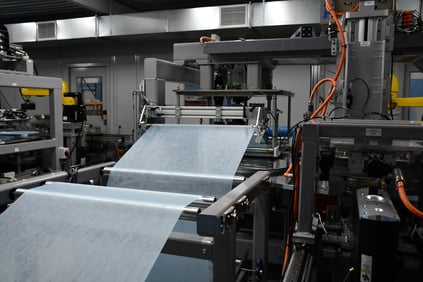
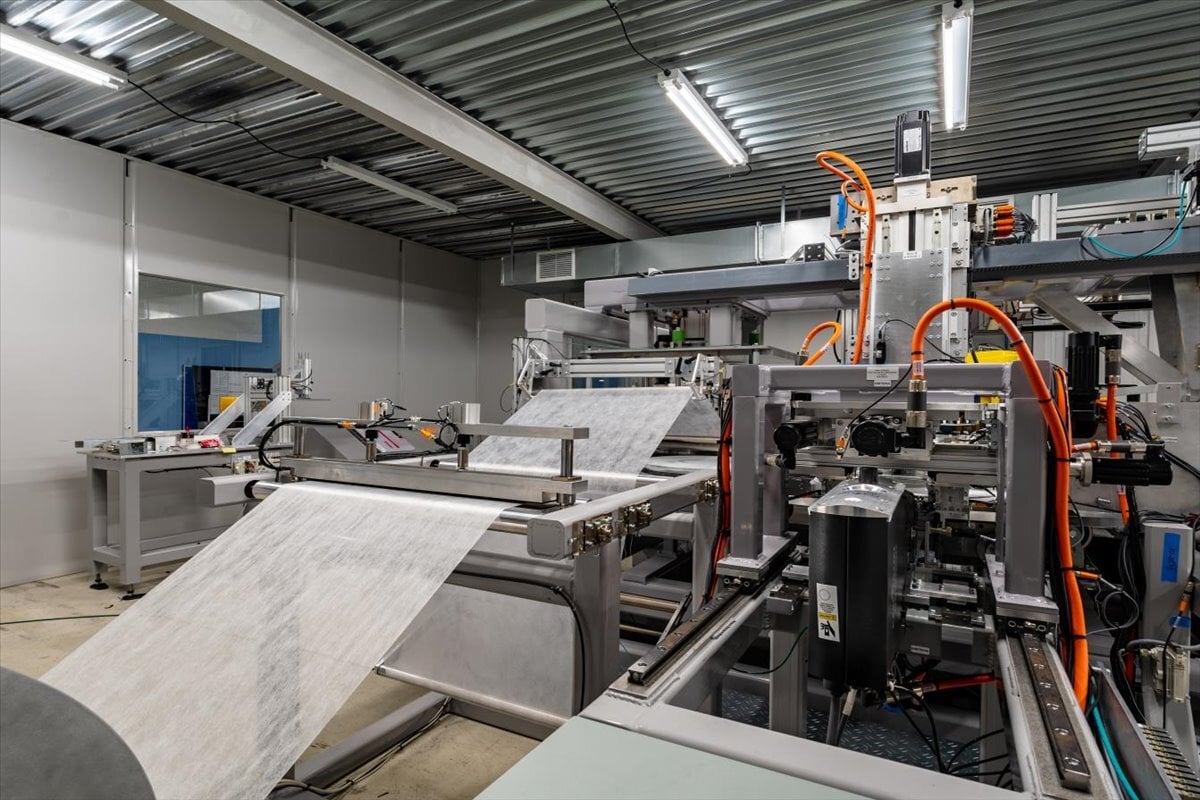
To replace stitching, Integrion developed a thermoplastic welding process that delivered durability without thread.
From there, the team engineered a controlled cleanroom environment and used a structured project approach (APP) to ensure the system could hit speed targets without sacrificing consistency.
Key capabilities built into the cell included:
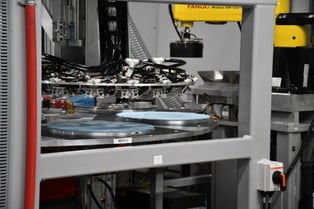
The finished dual-machine system achieved a production rate of one hairnet per second, enabling millions produced annually.
Quality was engineered in, not inspected in later:
This project wasn’t just about hairnets. It’s a blueprint for any manufacturer trying to bring critical production back home.
By automating a product once made entirely by hand, the customer reduced exposure to overseas labor availability and logistics disruptions.
Hitting one part per second isn’t a “nice-to-have.” It’s what makes domestic production economically viable. The system proved you can scale output and maintain repeatability.
If your product was designed around manual steps, automation may require rethinking the method—not just adding robots. This is where experienced engineering and process development make the difference.
If you’re evaluating reshoring for PPE—or any product where labor, quality, or lead time is a constant battle—automation is often the lever that makes the business case work.
Integrion Automation designs and integrates custom automation systems to help manufacturers increase throughput, improve repeatable quality, and build supply chain resilience.
Want to explore what reshoring could look like for your product?
Contact our team to talk through feasibility, process options, and what an automation roadmap could look like.