Skip to content

Part Feeding Automation

Feeding systems that present parts in the right orientation every time, so your robots and lines never wait, backed by full lifecycle support.

What is Part Feeding Automation?

Part feeding automation delivers components to a robot or machine in a known position and orientation, ready to be picked or placed. It covers everything from traditional vibratory bowl feeders to modern vision-based flexible feeders that adapt to many part types.

At Integrion, we design feeding systems around your parts, your changeover needs, and your rate. Reliable feeding is often what makes or breaks an automated cell, so we focus on presenting parts consistently and handling variety without constant retooling.

Our Part Feeding Capabilities

Vibratory Bowl Feeding

Proven, high-rate feeding for consistent, well-defined parts.

Flexible (Vision) Feeding

Camera-guided feeding that adapts to many parts with quick changeover.

Step & Centrifugal Feeders

Gentle, high-volume feeding for delicate or bulk parts.

Tray & Pallet Feeding

Presenting parts from trays or pallets for pick and place.

Singulation & Orientation

Separating and orienting parts so they arrive ready to use.

Hopper & Bulk Supply

Automatically replenishing feeders from bulk to keep the line running.

From Dedicated Bowl Feeders to Flexible Vision Feeding

The right feeding approach depends on your parts, volumes, and how often you change over. We build across the full range:

Dedicated feeders such as bowl, step, and centrifugal are ideal for high volumes of a single, stable part.

Flexible vision feeders handle many part types and quick changeovers with less tooling.

Hybrid systems combine bulk supply, singulation, and vision for demanding, high-mix lines.

If you are not sure which feeding approach fits your parts, that is exactly the kind of conversation we like to have.
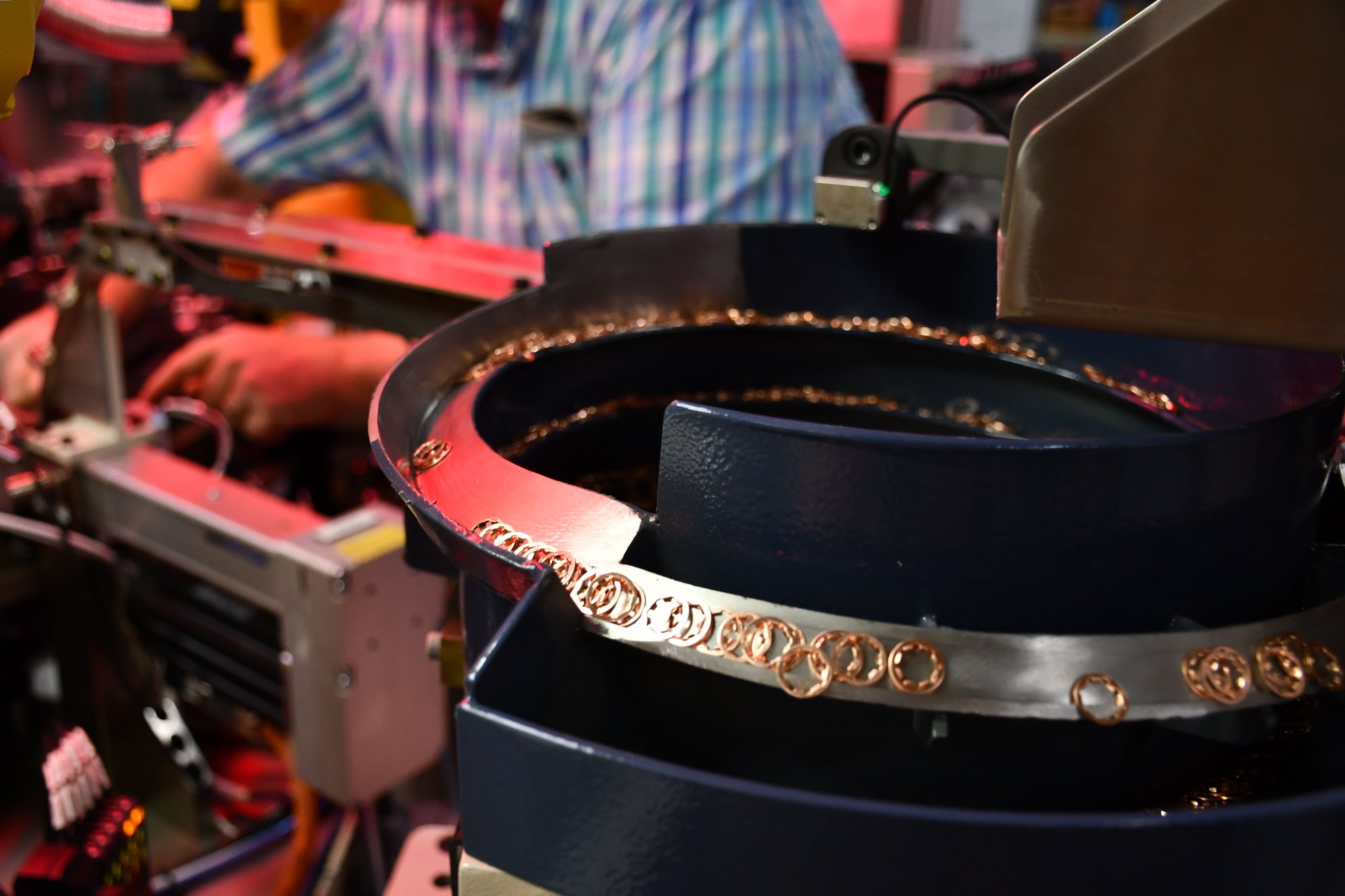
Stainless Tube Assembly - bowl feed

Why Choose Integrion for Part Feeding Automation?

For more than 40 years, manufacturers have trusted Integrion to design, build, and program automation in-house. That vertical integration means single-source accountability, fewer handoffs, and on-time delivery.

We do more than build systems. We help you plan an automation roadmap, manage risk throughout the project, and support your equipment long after launch with a dedicated field service team. From complexity to confidence, we stay with you across the entire life of your system.

person-with-hard-hat

40+ Years of Experience

star

450+ Robotic Integrations

tube forming tech svg

In-House Design, Build and Integration

throughput

Full Lifecycle Support

light-bulb

Partnership Driven Approach

stock-graph

Certified and Proven

Our Automation Process 

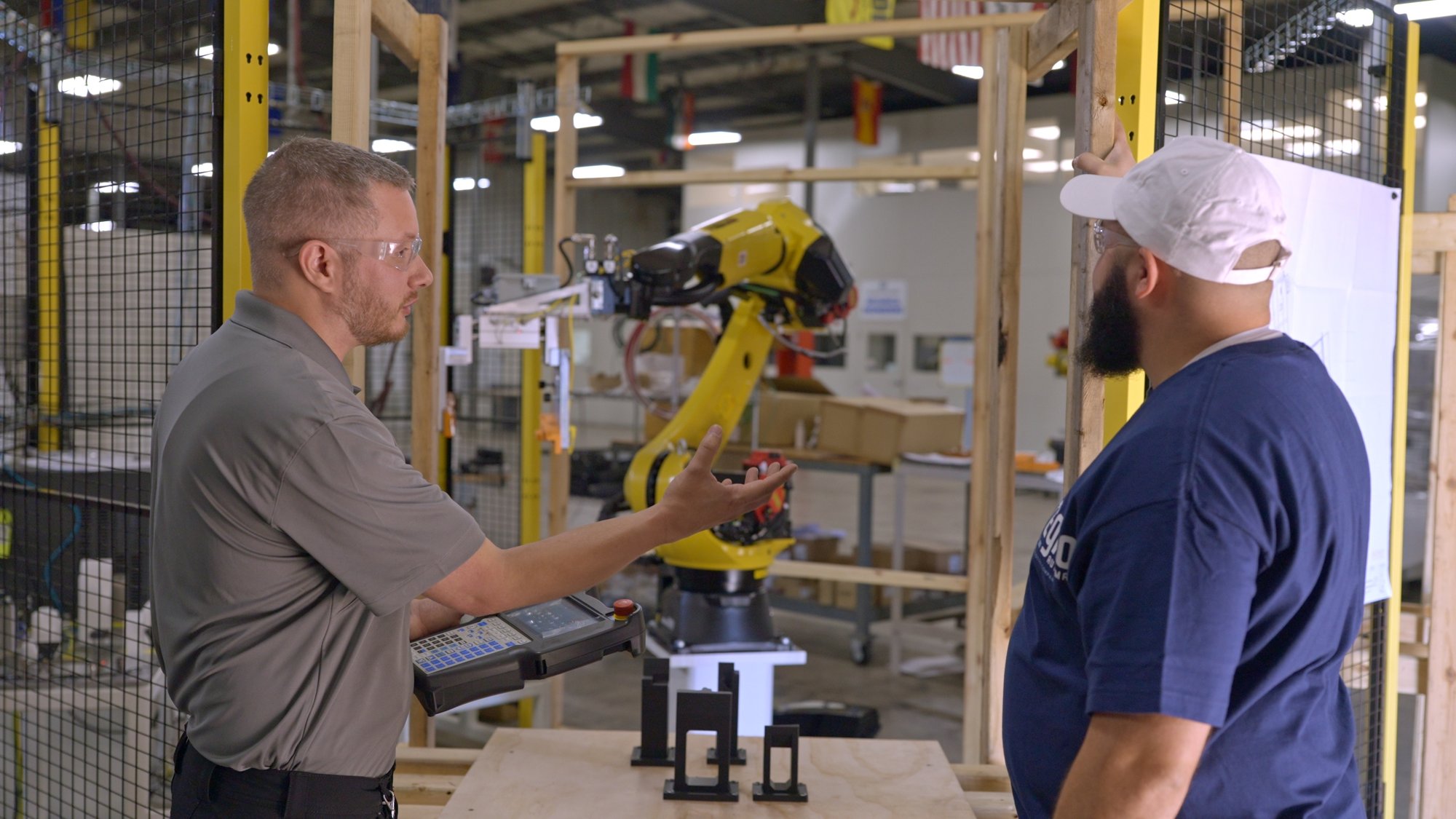
Every part feeding project follows a proven path built to reduce risk and keep your timeline on track. Because we design, build, and program in-house, you get one accountable team from first conversation to long-term support. It is how we move your project from complexity to confidence.

Integrion Automation- Video Stills_1.18.1
Step 1: Consult & Assess
We learn your parts, volumes, and goals
Step 2: Concept & Design
We engineer a solution and show you the options and payback 
Step 3: Build & Integrate
We fabricate, assemble, and program your system in-house. 
Step 4: Validate & Commission
We prove out performance before it reaches your floor. 
Step 5: Support & Sustain
We keep your line running with service, spare parts, and support. 

Frequently asked questions

What is part feeding automation?

Part feeding automation delivers components to a robot or machine in a known position and orientation, ready to be picked or placed. It ranges from vibratory bowl feeders to vision-based flexible feeders.

What is a bowl feeder?

A bowl feeder is a vibratory feeder that orients and delivers parts one at a time along a track. It is a proven, high-rate option for consistent, well-defined parts.

What is flexible feeding?

Flexible feeding uses a camera and a robot to pick parts from a surface where they land randomly. Because orientation is handled by vision, one system can feed many part types with quick changeover and less custom tooling.

Why is part feeding so important to an automated cell?

Feeding is often the difference between a cell that runs smoothly and one that constantly stops. Reliable, correctly oriented feeding keeps your robots working and protects your overall throughput.

What drives the cost of a part feeding system?

Cost depends on part size and complexity, required rate, how many different parts you need to feed, and whether you use dedicated or vision-based feeding. We scope each project to your goals so you can compare options and payback before committing.

Do you provide service and support after installation?

Yes. Our dedicated field service team offers preventive maintenance, troubleshooting, retrofits, spare parts, and warranty support to protect uptime across the full life of your system.

Let's Talk Through Your Part Feeding Project!

A short conversation is the easiest way to figure out the right approach, with no pressure and no obligation. Tell us about the parts you need to feed and we will help you find the path from complexity to confidence.